
Scroll

The Galt features a multitude of new and travelling exhibits throughout the year. Our special exhibits are researched, developed, and built primarily by our in-house staff in collaboration with other local organizations, historians, experts and artists.
We host a variety of temporary exhibitions each year in our special exhibits gallery, along with our main floor and lower level hallway galleries. Exhibits change every few months, so you can always look forward to something new and exciting on display!
Contents
Temporary Exhibits at the Galt
Exhibit

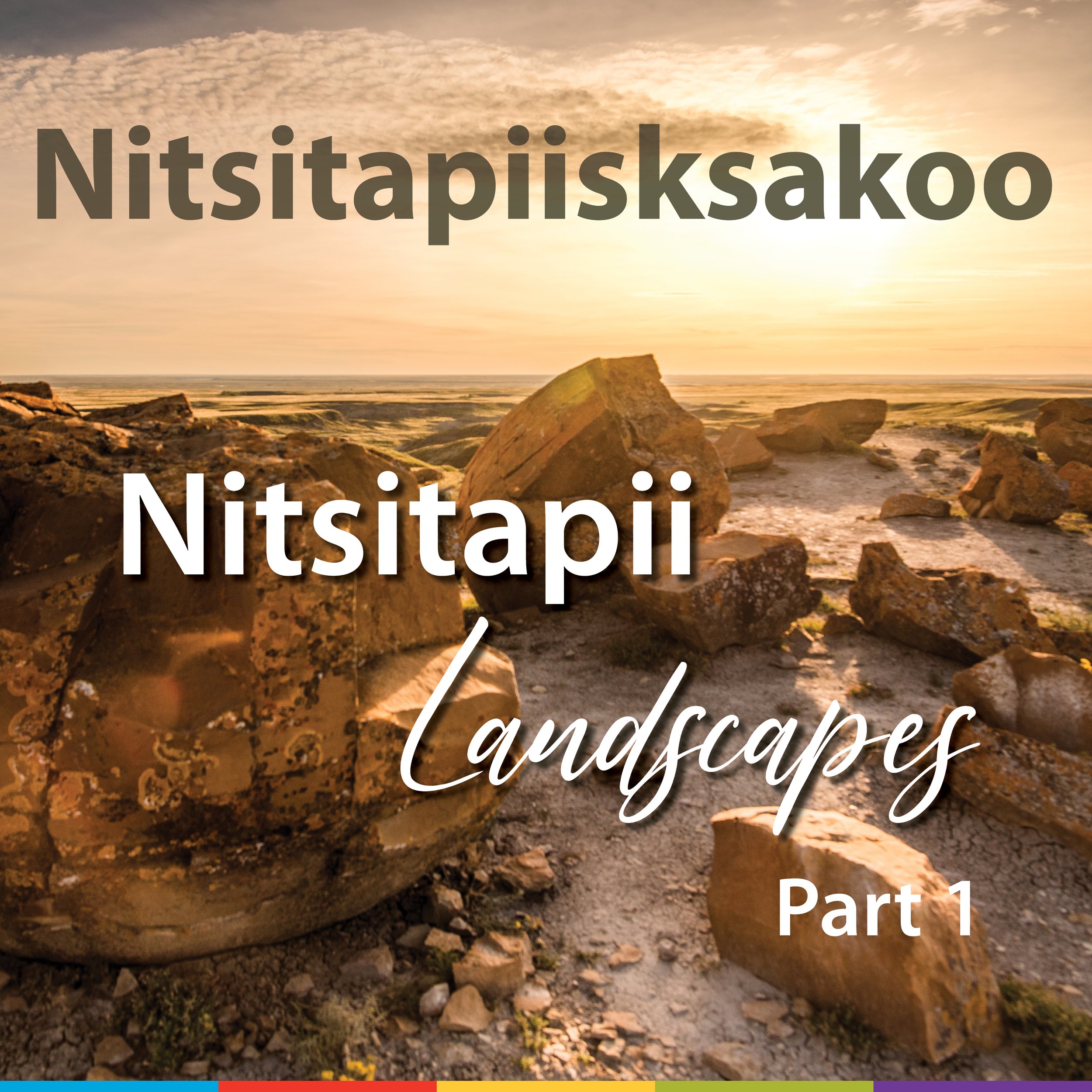
From the Rocky Mountain headwaters all the way to Hudson’s Bay, the Oldman River is vital for life on the prairies. Known as Napi-tahtaa (Napi’s River) to the Nitsitapii (Blackfoot), humans, animals, and plants all rely on it for existence.

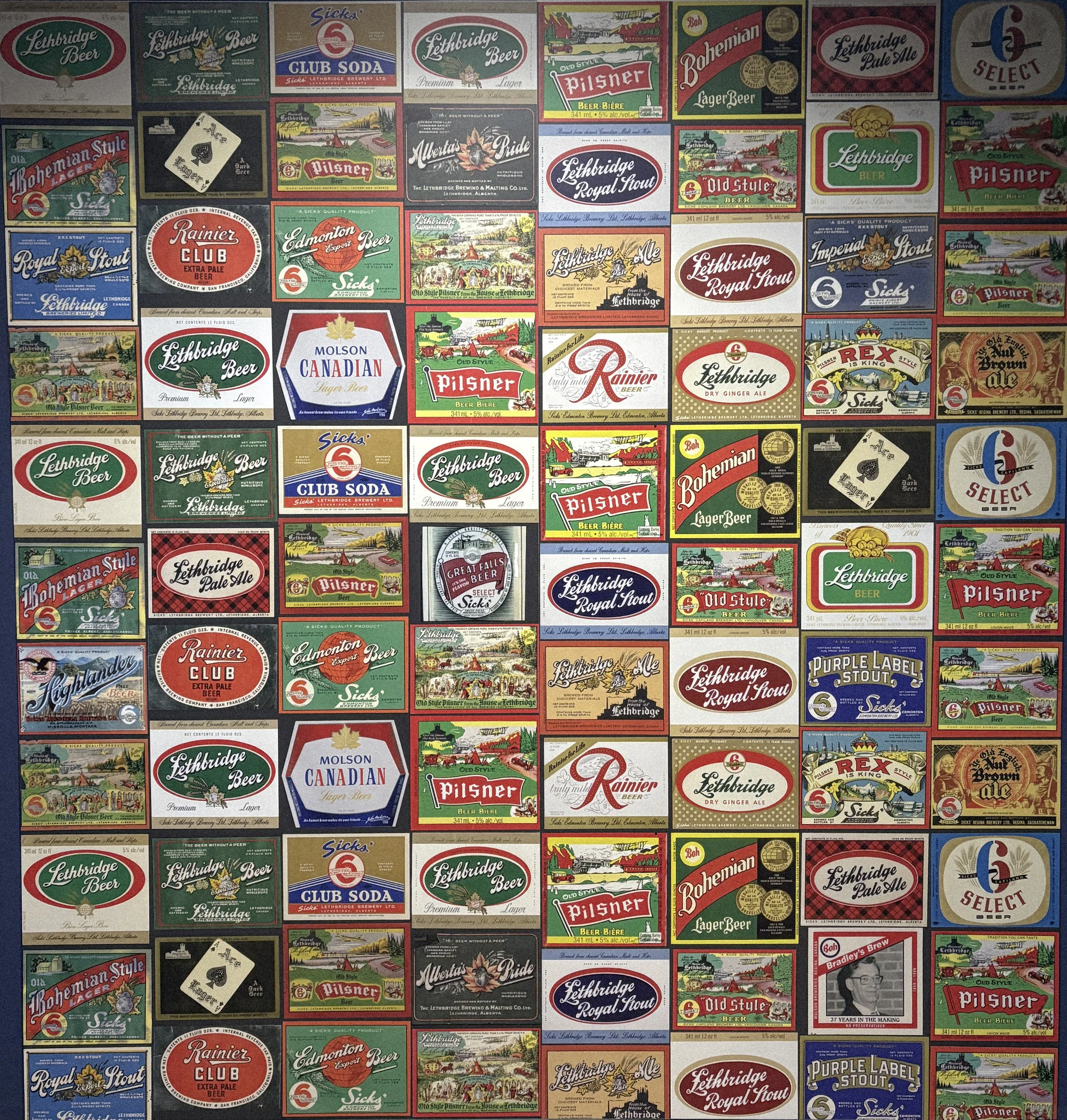
In the first half of the 1900’s, Fritz Sick went from small-town brewer to big-time businessman. Sick’s Breweries Ltd. grew from their headquarters in Lethbridge to dominate brewing in western Canada and the northwestern USA. Known across Canada, Sicks’ iconic Old Style Pilsner was first brewed here in 1926 and is still going strong today.
Permanent Exhibitions
Discovery Hall
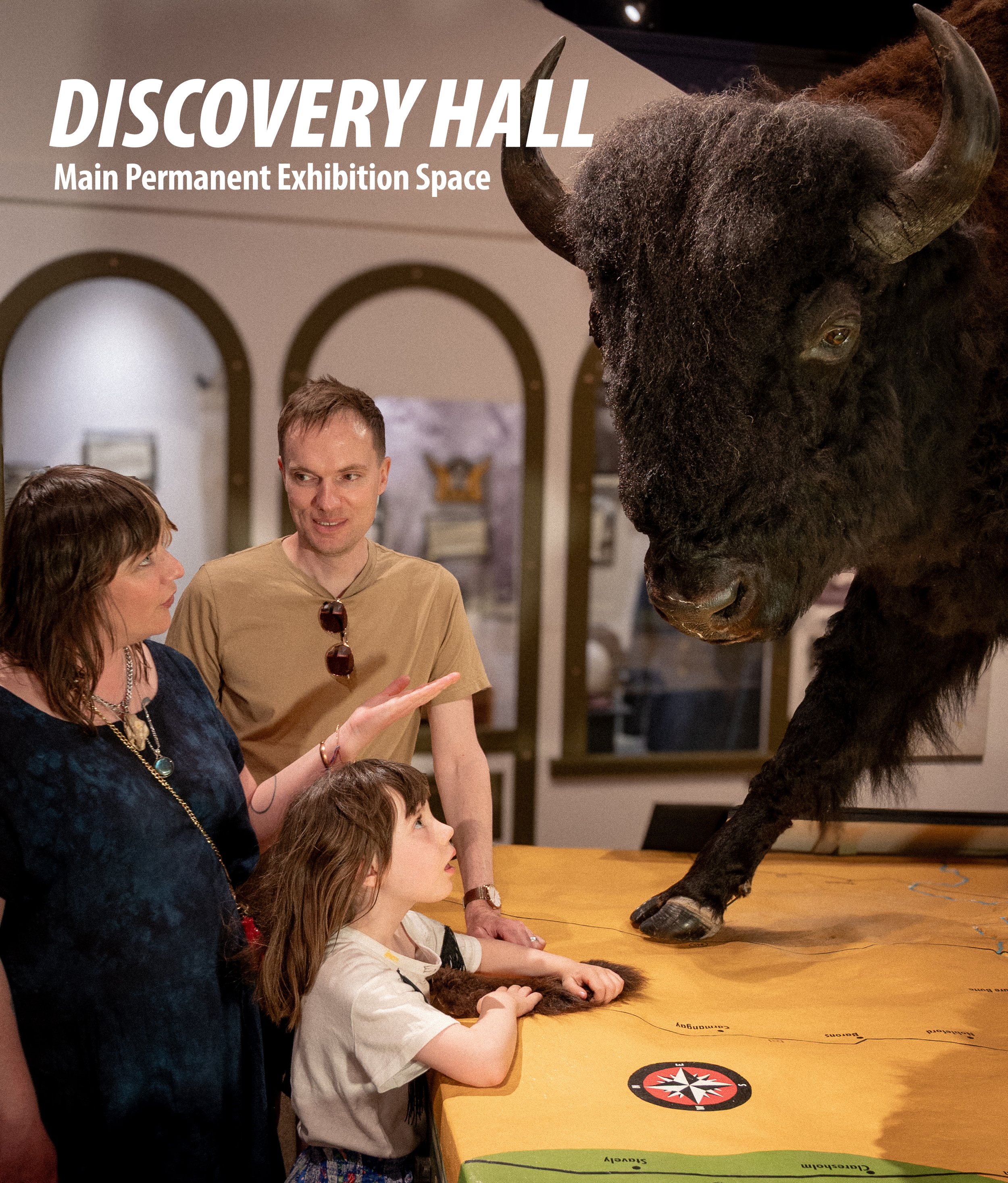
Discovery Hall brings together the stories that shaped Southern Alberta into one engaging, walk-through experience. Explore hands-on exhibits, immersive environments, and iconic artifacts that connect land, people, and industry.
You’ll experience agriculture and irrigation, cultural communities, and life in general in Lethbridge throughout history. It’s a space that’s designed to inspire curiosity and reward exploration around every corner!
Taking Care
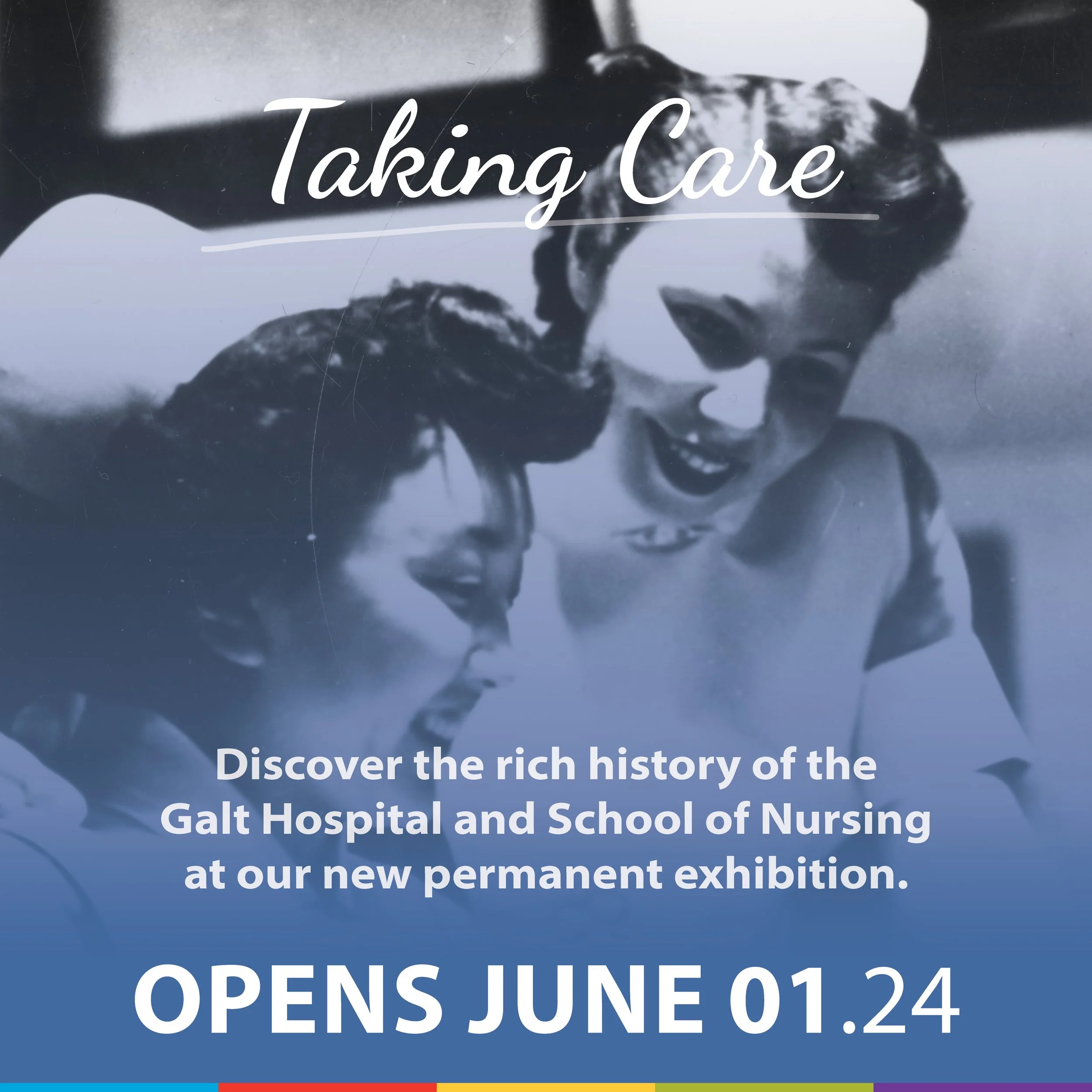
The permanent exhibition, Taking Care, pays homage to this pivotal institution and its profound impact on the community. Central to the narrative is the dedicated cohort of nurses who trained and worked tirelessly within these walls. From 1910 until its closure in 1955, the Galt Hospital not only provided essential medical services but also served as the nurturing ground for hundreds of aspiring nurses.
Travelling Exhibits
The Galt’s travelling exhibitions are collections that are available to be loaned to other organizations, providing educational opportunities for other organizations to display unique themes without having to set up permanent installations.
Click each travelling exhibit below for detailed information. Contact info@galtmuseum.com to inquire about booking a travelling exhibit loan.


Education Programs
Looking for information about our Education Programs? Maybe you’re in the wrong place, click the button below for more information!
Online Exhibits
Featured

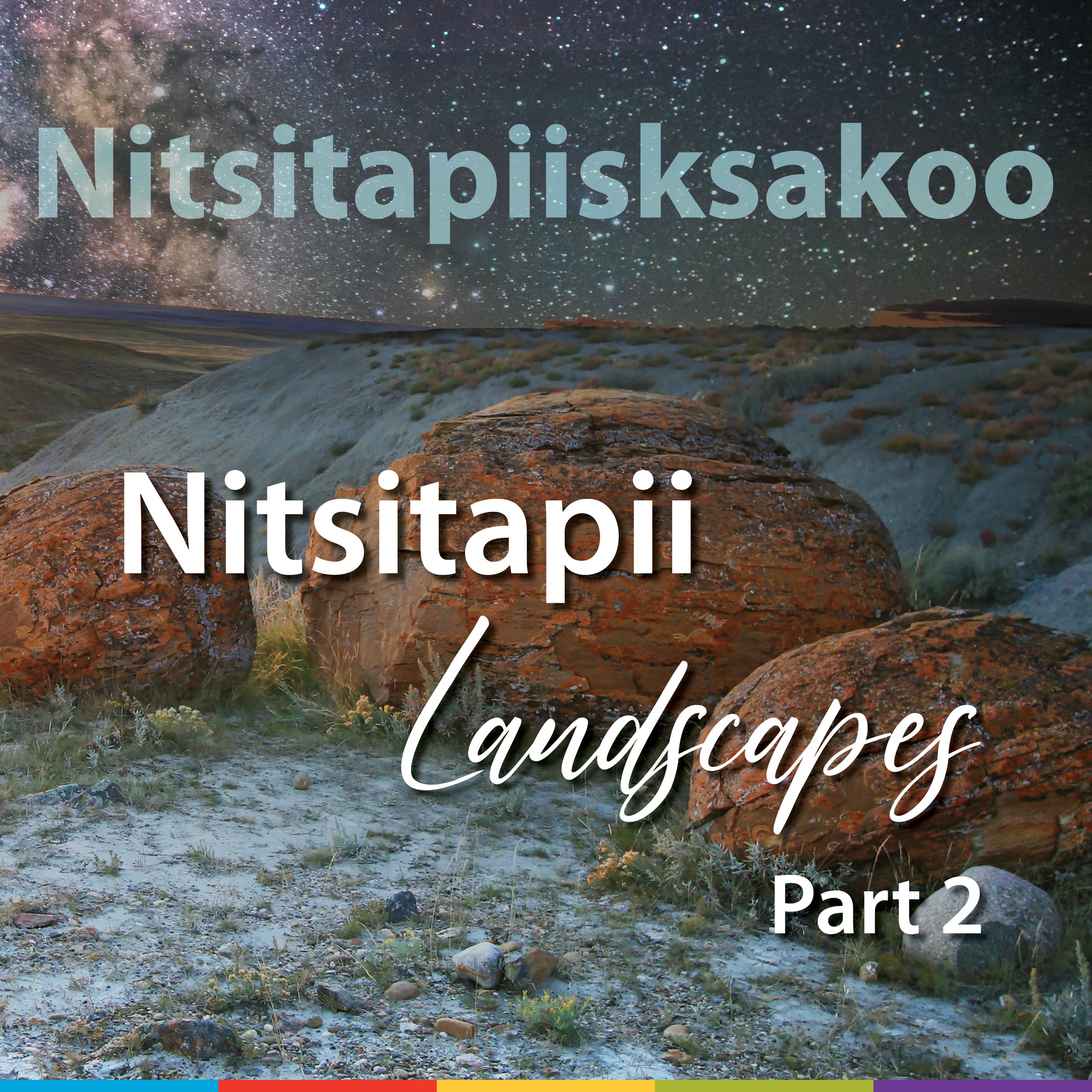
Explore more traditional landscapes of the Niitsitapii and discover their connection to the land. These Alberta and Montana sites are culturally and spiritually important to the Blackfoot people.

Examine the traditional landscapes of the Niitsitapi through archival images from the Galt's collection. These southern Alberta sites are culturally important to the Kainai and Piikani peoples.

Examine the traditional landscapes of the Niitsitapi through archival images from the Galt's collection. These southern Alberta sites are culturally important to the Kainai and Piikani peoples.

Discover Lethbridge as seen by Herald photographers over the past century, including Lloyd Knight, Ian Martens and Dave Rossiter.

Between 1939 and 1945 Lethbridge was absorbed into the “home front” culture of the Second World War. Despite wartime restrictions and visible reminders of the war in the city, live music brought people together for some welcome entertainment and a lively social dance scene. This exhibition highlights collections and stories from some of the region’s big names in big band during the early 1940s.

During the First World War, Canada interned 8,579 people identified as “enemy aliens,” across a network of 24 camps. A special feature, Escape!, focuses on the Lethbridge internment camp (guest curated by Galt Museum & Archives intern Benjamin Weistra).

Southern Alberta is home to some iconic natural and cultural landscapes. Explore visual representations of some of these wondrous settings including Frank Slide, Waterton Lakes National Park, the Prince of Wales Hotel, the Cardston Temple, Head-Smashed-In Buffalo Jump and the Burmis Tree.
curated by Danica Renke, Zoey Lorne and Aimee Benoit
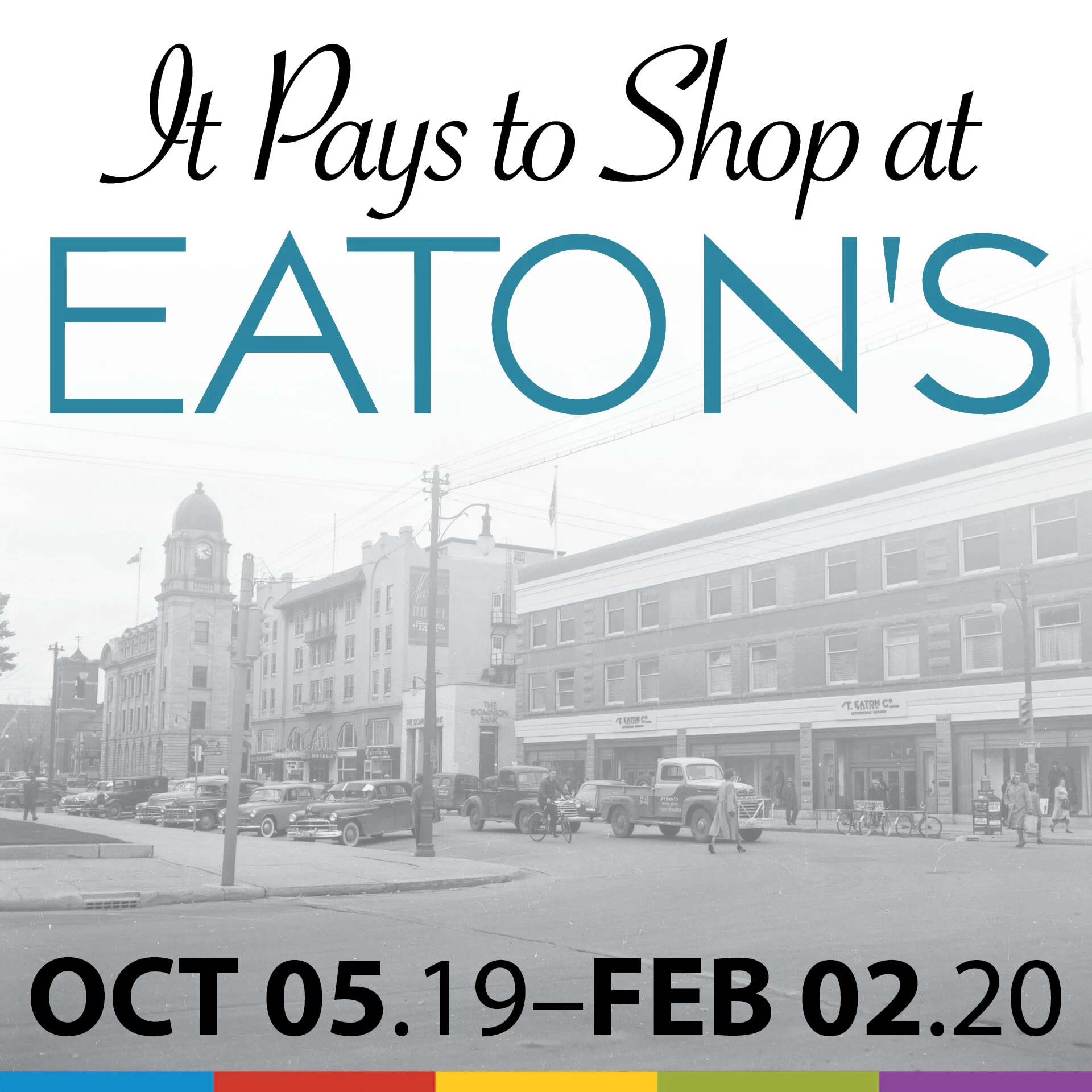
In the late 1800s, Eaton’s grew from a small dry-goods business into Canada’s largest department store. Drawing on the Galt’s retail and merchandising collections from the local Eaton’s branch, this exhibit explores the history of the department store and shopping practices through the twentieth century.


“Can I Survive an Atomic War?” This headline from the Lethbridge Herald in 1960 captured a worry on the minds of many North Americans at the time. Over the previous decade, tensions had mounted between the western and eastern hemispheres in what became known as the Cold War—an ideological conflict in which countries raced to produce more and more sophisticated nuclear weapons. With disaster on the horizon, Canadians began pushing for civil defence.


Albertans fight a seasonal flu each year, but in 1918 the flu was especially deadly. That strain, commonly referred to as the Spanish flu, was unique because it disproportionally killed young, healthy adults (aged 15–45). Scientists are still unsure why.

Cinescapes invites visitors to explore the history of movie entertainment, from production to exhibition, as movies evolved from a side-show novelty into one of the most popular forms of mass entertainment.

To soar like a hawk, or ride a wild “mountain wave” off the edge of the Rockies: this dream has enticed generations of gliding enthusiasts to the skies of southwestern Alberta.
Virtual Exhibits


Past Exhibits
Featured
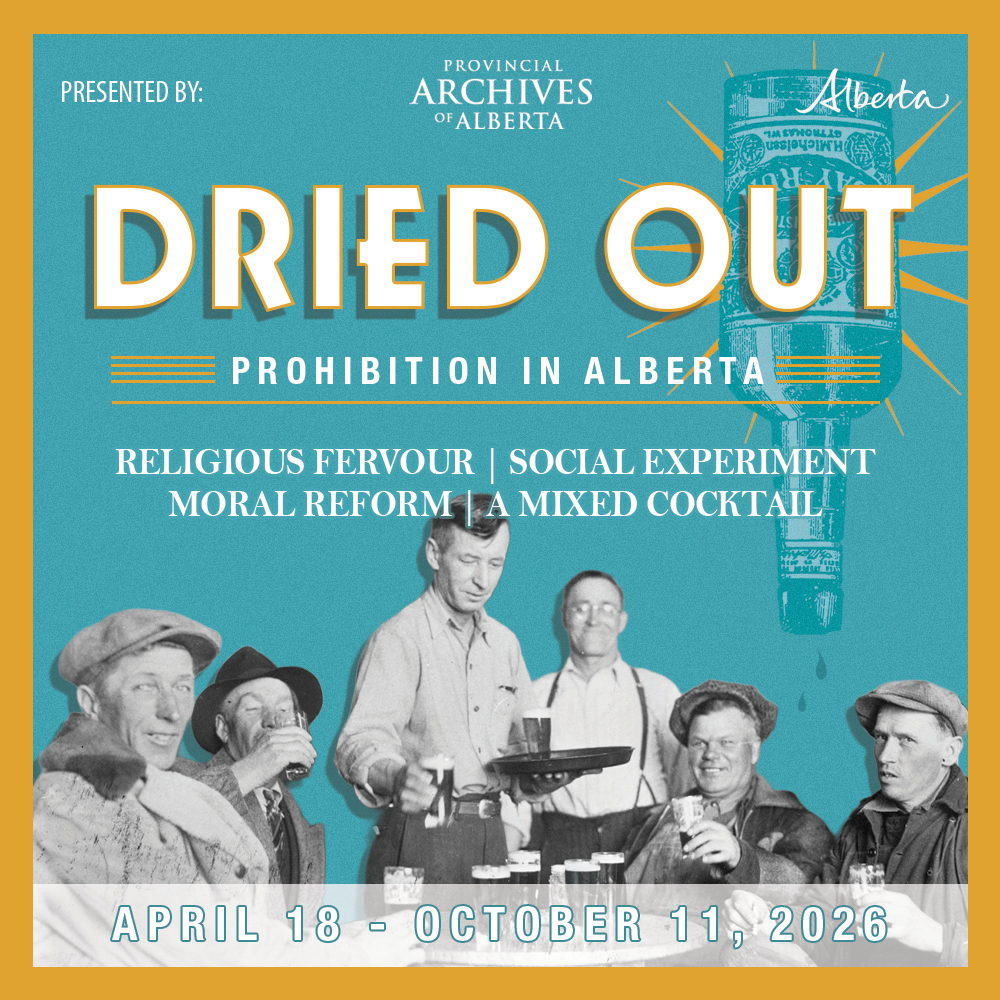
The moral and political crusade to ban alcohol had unintended consequences, both good and bad. It spurred the push for women’s suffrage, led to the creation of the Alberta Provincial Police, and prompted experiments in direct democracy. But it also led to people flouting the law at all levels of society, which would shape politics, policies, and communities for years to come.

Did you know the museum has over 17,000 artifacts in our collection? Since 1964, the museum has cared for the history of southwestern Alberta. These objects show the history of the area: the Nitsitapii (Blackfoot) people, settlers, and newcomers. Items from many different cultures are part of the museum’s collection.

Did you know the museum has over 17,000 artifacts in our collection? Since 1964, the museum has cared for the history of southwestern Alberta. These objects show the history of the area: the Nitsitapii (Blackfoot) people, settlers, and newcomers. Items from many different cultures are part of the museum’s collection.

For over a century, the Playgoers of Lethbridge have been an important part of the local theatre community. Still going strong today, this exhibition is packed full of archival images and historical artifacts celebrating the Playgoers past, present, and future.
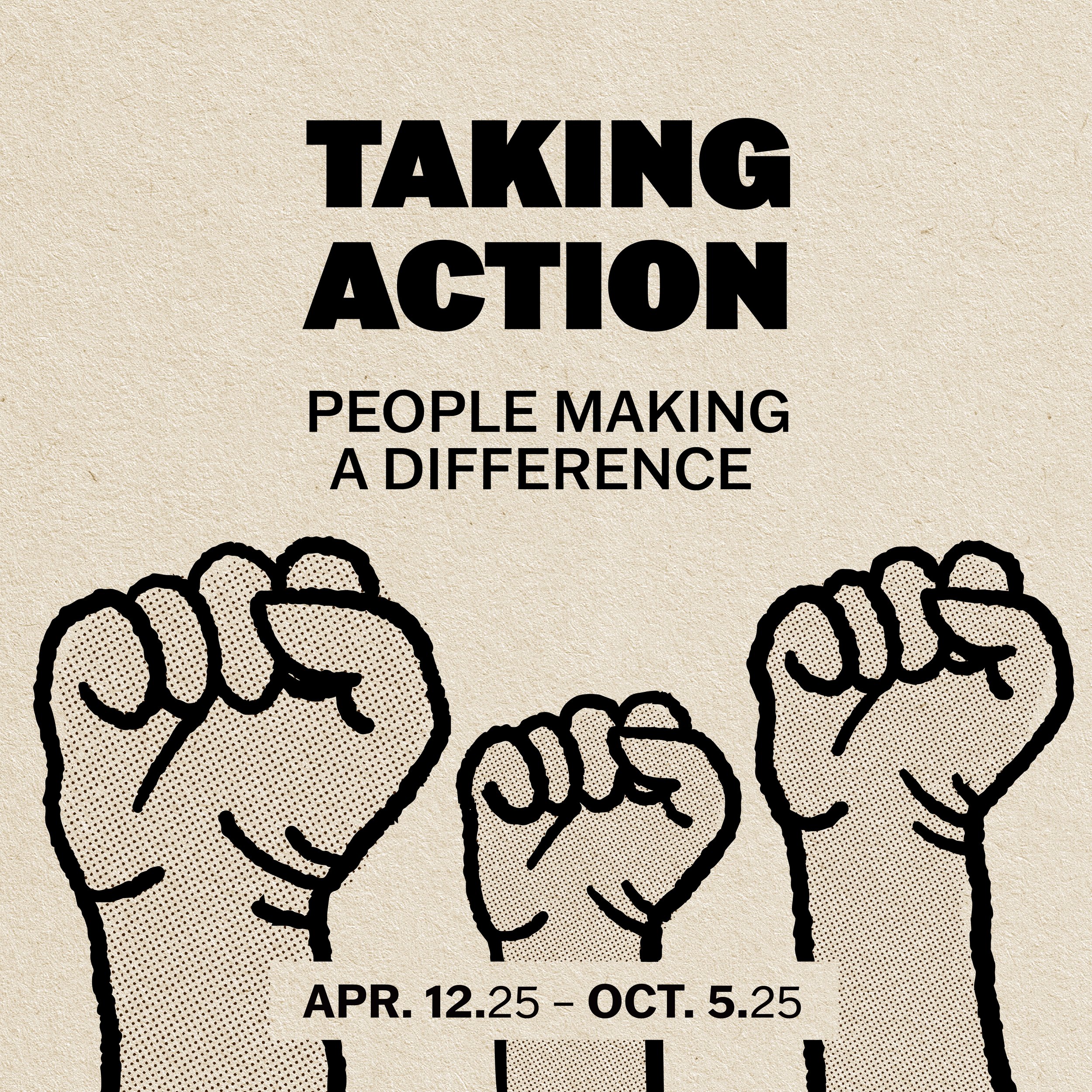
Change doesn’t happen on its own. It takes people willing to roll up their sleeves and get to work. This exhibition showcases people making a difference in our community.

If you could better understand how your brain processes information that can lead to bias and racism, could it impact your behaviour and result in positive change?

Join us for the opening of our latest Archives Exhibit, Lena and Thomas Gushul: In Front and Behind the Camera. Guest Curator, Dr. Larisa Sembaliuk Cheladyn, will discuss the exhibit and the Gushuls’ impact on the Crowsnest Pass during the early 20th Century.
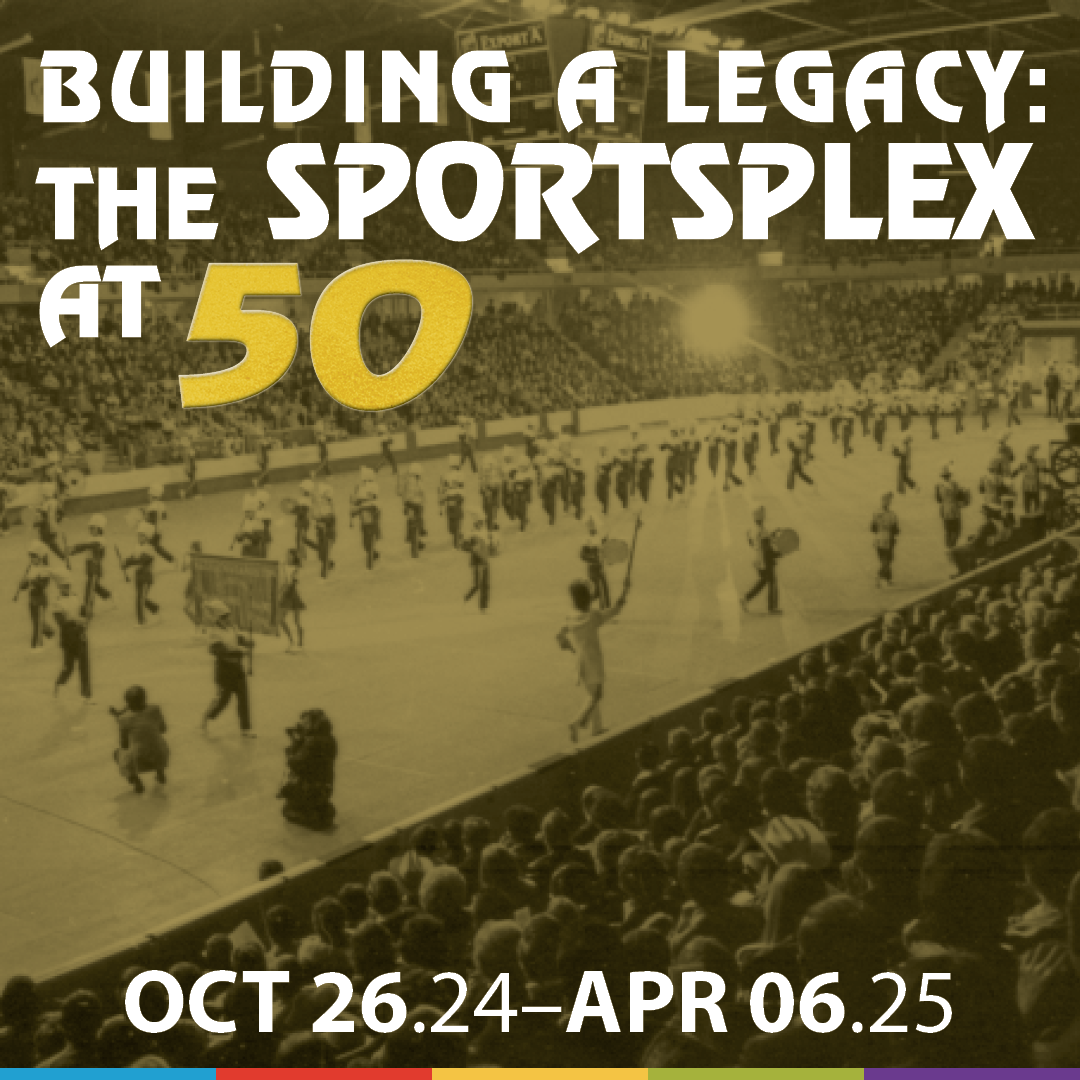
The Canada Games Sportsplex first opened to the public in the fall of 1974. Construction of this modern facility (known later as the Enmax Arena) ushered in a new era for the City of Lethbridge. From sports franchises to major cultural and entertainment events, this building has played an important role within the community for half a century. Building a Legacy: The Sportsplex at 50 celebrates the 50th anniversary of this important facility and the many events that have taken place there.

Playing around isn’t just for kids, it’s an important part of our everyday social lives. Whether it’s physical action in sports or mental stimulation through board games, keeping active is an essential way for humans to stay happy and healthy.
Explore more traditional landscapes of the Niitsitapii and discover their connection to the land. These Alberta and Montana sites are culturally and spiritually important to the Blackfoot people.

Highway 2 is both a transportation and cultural artery for southern Alberta. Through this collection of recent images taken on and around this road to LA (Lethbridge, Alberta), photographer Kort Woycheshin shows how the political divide has grown since the COVID-19 global health pandemic.

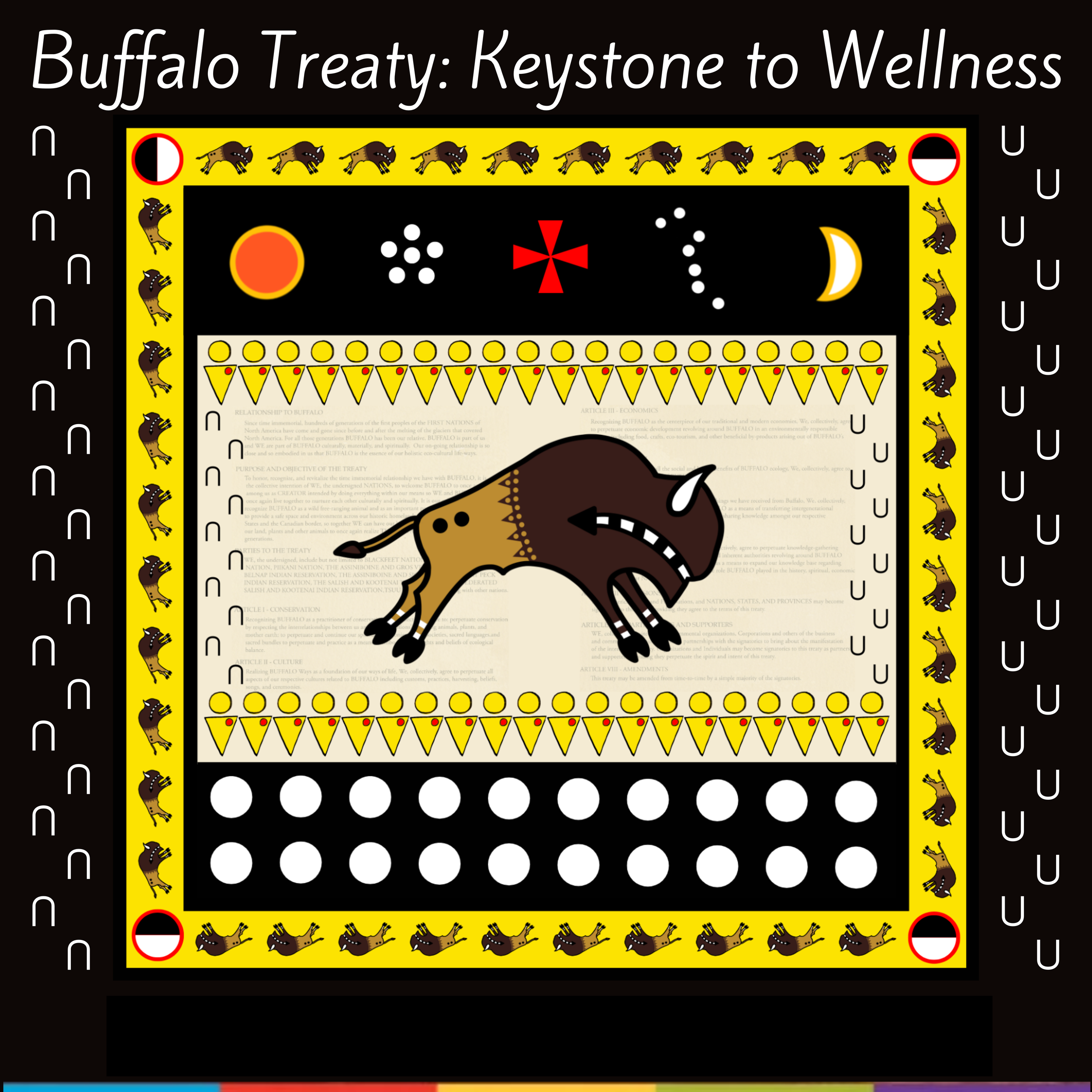
This year marks the tenth anniversary of the signing of the Buffalo Treaty, a framework for reconciliation that focuses on cooperation, restoration, and renewal. To date, over forty nations and thousands of supporters have signed the treaty. This exhibit explores how the Buffalo Treaty can support individual and community wellness in all its forms: spiritual, emotional, physical, and mental.


Transplanted Sunflowers: The Ukrainian Immigrant Experience in Southern Alberta, 1940s to Present, explores the Ukrainian experience in southern Alberta from the mid-20th century to the early 21st century. This temporary exhibition is inspired by the recent wave of Ukrainian immigration, a direct response to the latest Russian attack on Ukraine commencing in February 2022.


As southern Alberta’s only queer-mandated theatre company, Theatre Outré has spent the last decade carving out space for a thriving alternative scene in the prairies. Now, we celebrate their boundary-pushing theatrical productions, eccentric events, and unwavering devotion to Southern Alberta’s 2SLGBTQ+ community.

The Galt is thrilled to host the traveling exhibit, Broken Promises. Grounded in research from Landscapes of Injustice – a 7 year multi-disciplinary, multi-institutional, community engaged project, the Broken Promises exhibition explores the dispossession of Japanese Canadians in the 1940s.

Through a combination of objects, archival sources, newspaper articles and oral history interviews, this exhibition portrays the American Hotel and its history as a contact zone from the 1950s to the 1980s through changing ownership, exploring patron interactions and examining police intervention.
Examine the traditional landscapes of the Niitsitapi through archival images from the Galt's collection. These southern Alberta sites are culturally important to the Kainai and Piikani peoples.

We live in a world of sound, but often don’t pay much attention to how it affects us on a daily basis. The Politics of Sound investigates the role of sound within social relations of power, to show how who we are determines what we hear.

For two years during the late 1960s, a teen coffeehouse opened at 1287 3 Avenue south. The Inn Purple was a place where teens and young adults could hang out, be artistic, and listen to music without adults.

Using moccasin designs as an identifier, this exhibit highlights Niitsitapi strength and resiliency.

The #HopeAndHealingCanada project created by Métis artist Tracey-Mae Chambers consists of a series of site specific art installations across Canada.

Guest Curator and Visual Artist Raeann Cheung explores the suffering that early immigrants endured as economic migrants in the mid-19th century, their contributions, and the intergenerational effects that followed through artistic interventions on archival images.

Although balancing service and cost has been an ongoing challenge, streetcars and buses have provided Lethbridge residents with mobility, and access to work, shop, play and engage with their community.

Rooted: How Trees Give Us Life explores the tangible and intangible benefits trees provide us on a daily basis.
Examine the traditional landscapes of the Niitsitapi through archival images from the Galt's collection. These southern Alberta sites are culturally important to the Kainai and Piikani peoples.

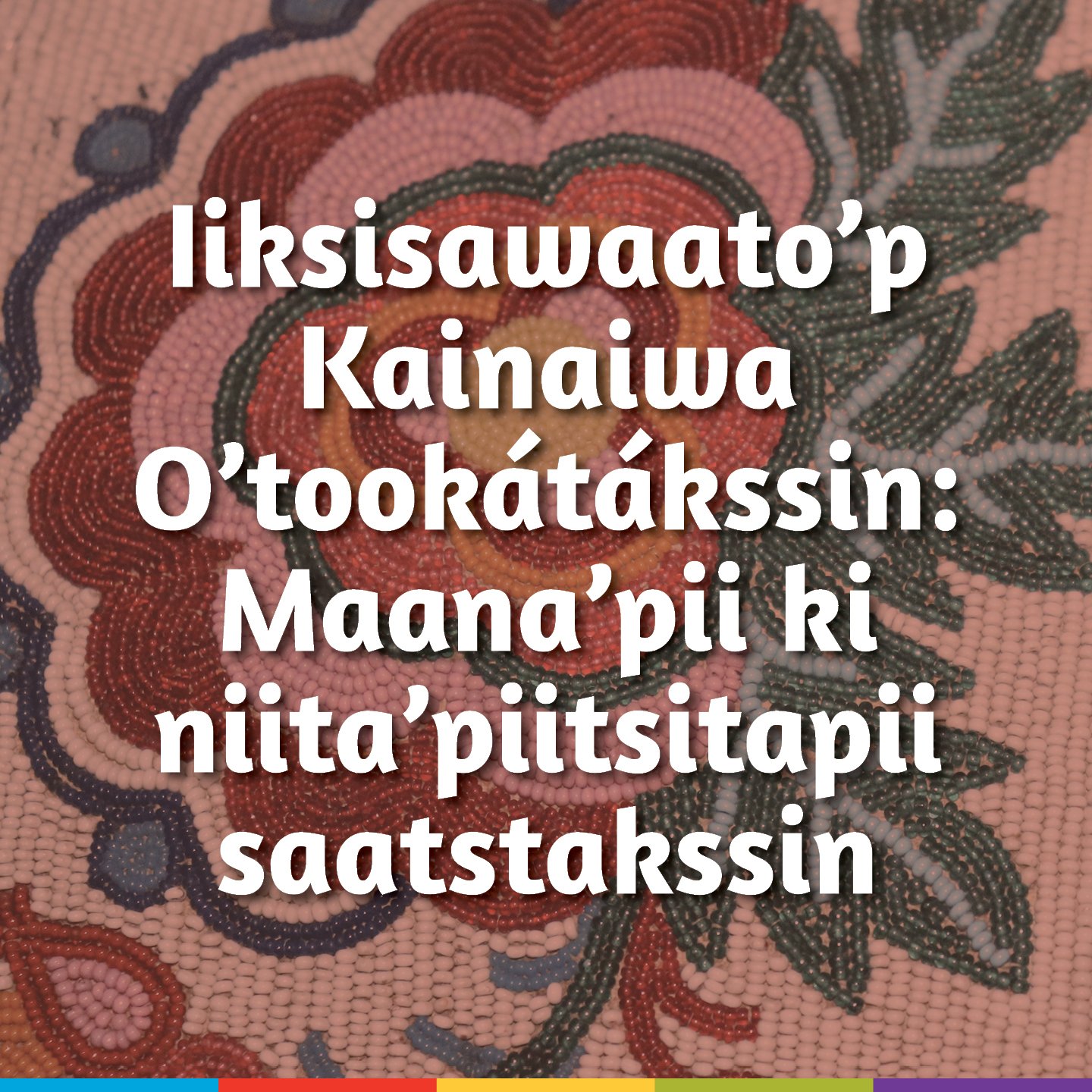
Explore photographs of traditional Kainai beadwork from the Glenbow Museum Archives, as well as stories of contemporary Kainai beadworkers as we honour and celebrate Niitsitapi language and culture.

Breathe. is a collection of traditionally crafted masks demonstrating resiliency through the 21st century pandemic.
Featured

Along with community partners, we’re working on an exhibition set to open in October, and we’d love to hear from you!

This is the story of Lethbridge as a community: how we see and identify our neighbourhoods, and how those places help define us. Delving into the histories of Chinatown, Hardieville, Glendale-Dieppe and everything in between, the exhibit contrasts “official” narratives with residents’ lived experience. This collaboration between the Galt and the Lethbridge Historical Society brings you some of the lesser-known stories in our city’s development, and some unexpected, surprising ways in which residents have shaped the places where they live.

What do a 1930s guitar, a mid-century silk wedding gown, and a hundred year old soccer ball have in common? Aside from sharing space in the Galt Museum’s collections vaults, these objects were all chosen for this exhibit by members of the community because they reminded them of home.
Recollecting Home explores the idea of “home” through individuals’ connections to objects. Alongside a range of personal memories of childhood and family, this exhibit will also present artwork by Kainai youth that reflects Blackfoot perspectives of home.
We invite you to immerse yourself in the nostalgia of familiar household sounds, smells and objects, while considering the more complex connections we have with people and places. Discover a range of voices that reflect the diversity of southwestern Alberta, and consider what home means to you.





Featured










Curatorial
Staff
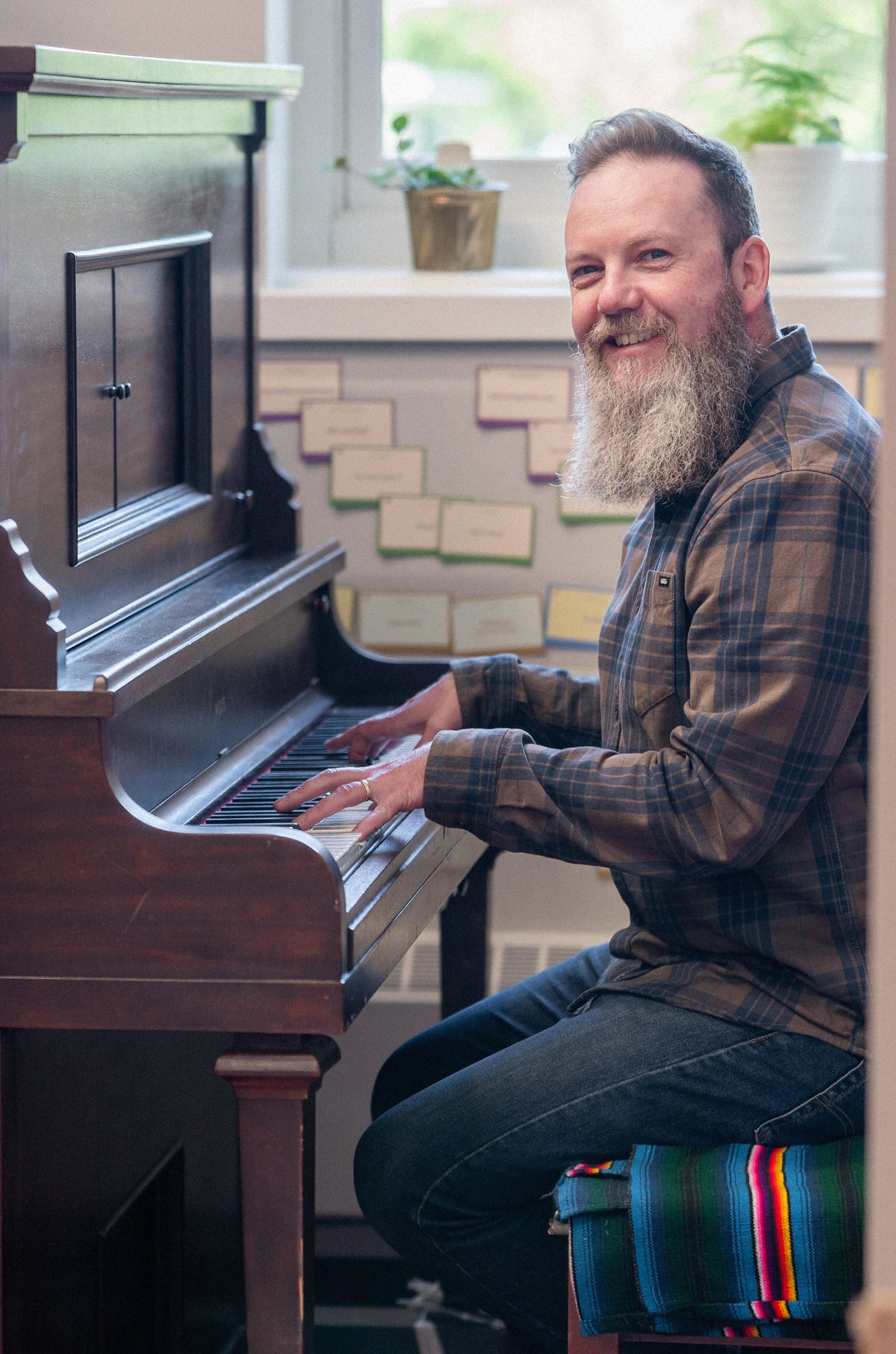
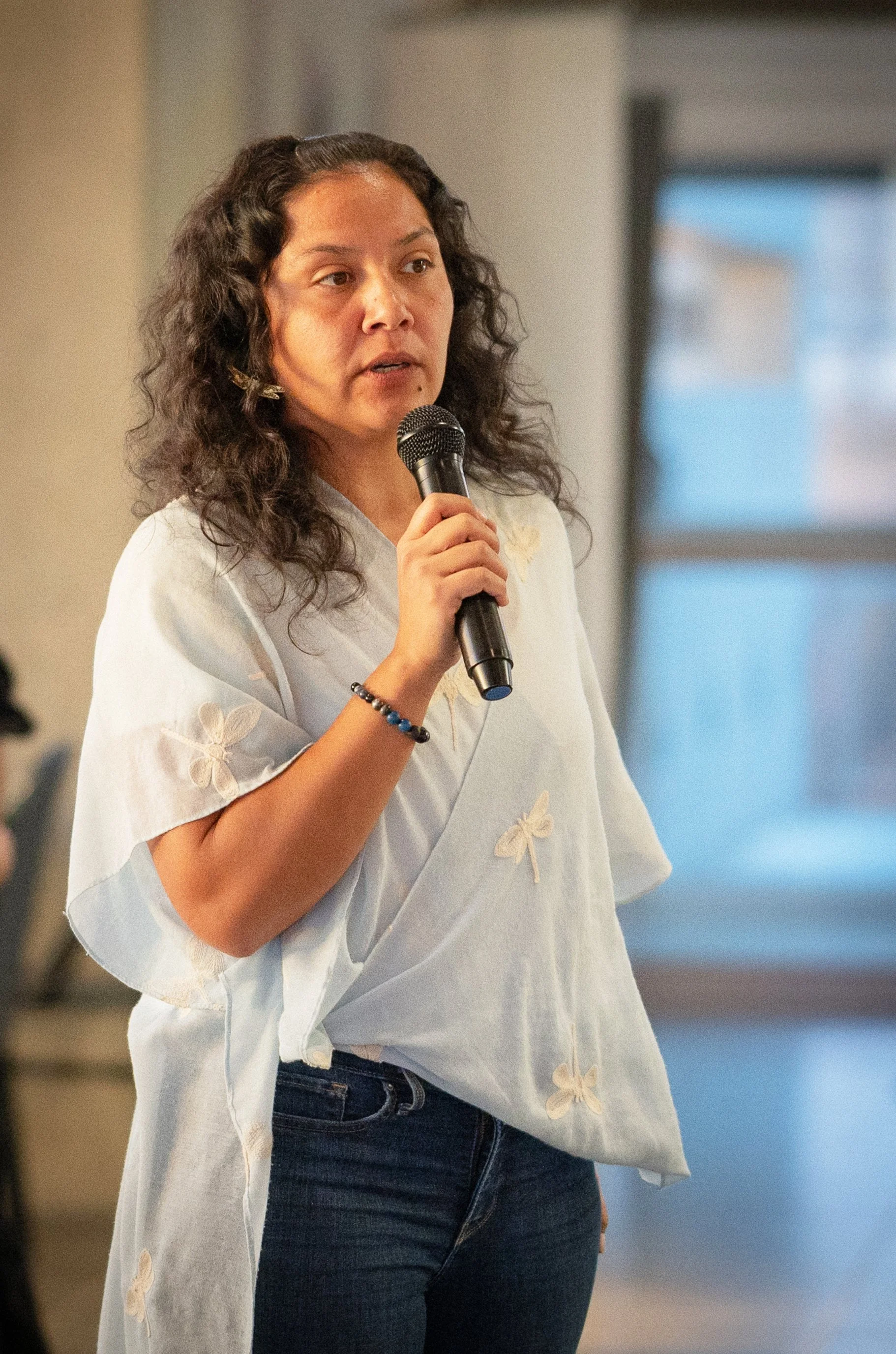
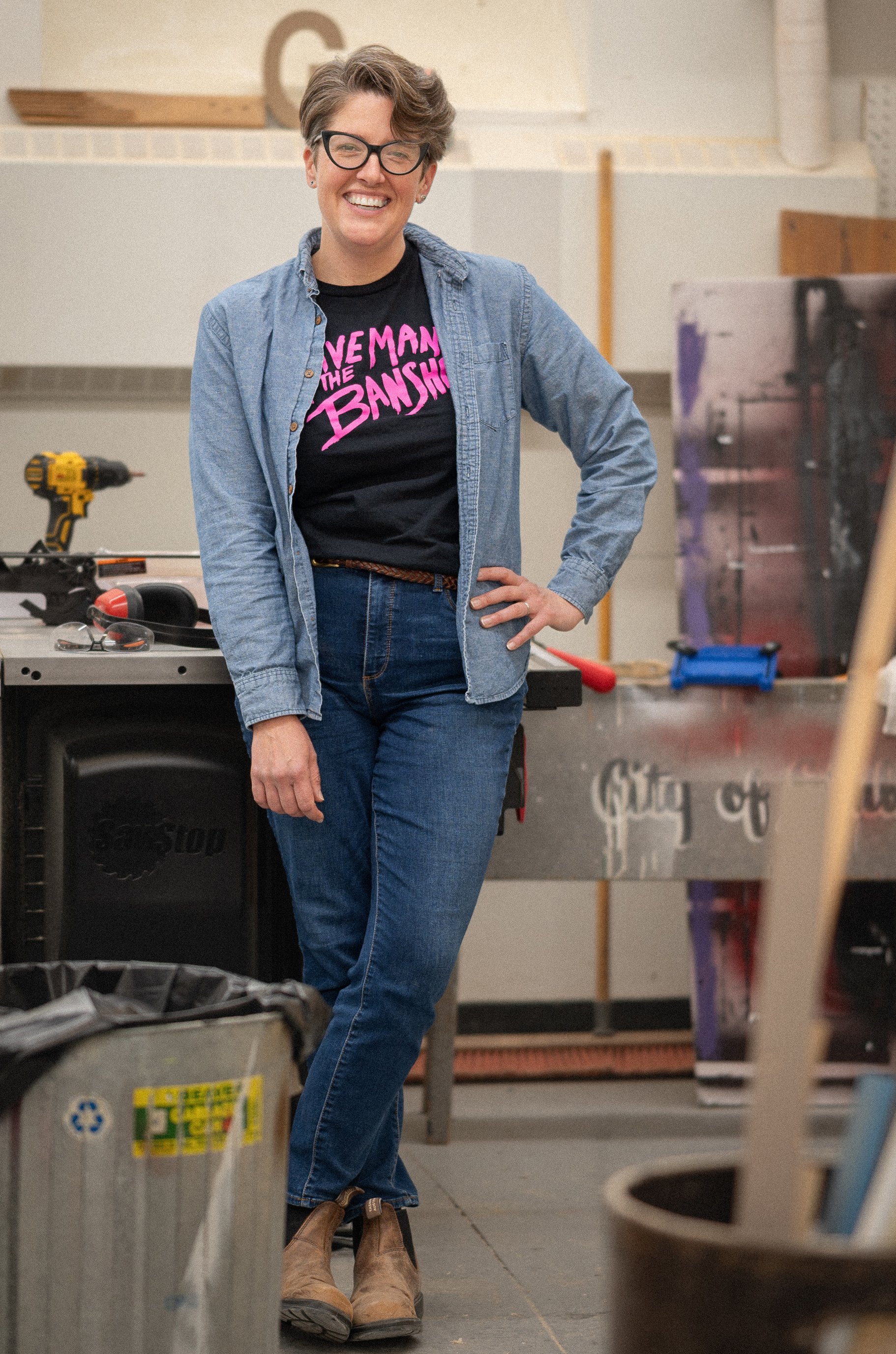
Our special exhibits are researched, developed, and built primarily by our in-house staff in collaboration with other local organizations, historians, experts, and artists.
If you have an idea for an exhibit that you would like to work with us to develop, fill out the form below and let us know.
Terry Fox’s Marathon of Hope which he began in 1980 to raise funds for cancer research is a seminal moment in Canadian history. This exhibit will feature oral history interviews with the Lethbridge citizens who have organized the community runs, explore the familial connections that Terry Fox had in southern Alberta, and will examine how the COVID-19 pandemic affected the 2020 Terry Fox Run in Lethbridge.