Scroll

Museum Hours of Operation
Tue–Sat 10 am–5 pm
Sundays 1–5 pm
Mondays Closed
Holidays 1–5 pm, except for the following:
Christmas Eve Closed
Christmas Day Closed
Boxing Day Closed
New Year’s Day Closed
Easter Sunday Closed
Archives Hours of Operation
Tue–Fri 10 am–4 pm
Holidays Closed
Admission Prices
Here are the prices before GST:
Ages 6+: $9.95 + tax, per person
Seniors / Youth / Post-Secondary: $6.50 + tax, per person
Ages 6 and under: free
Please contact facilityrentals@galtmuseum.com for individual or group guided exhibit space, archives, collections, or Fort Whoop-Up tour bookings.
Free admission for self-identified Indigenous visitors
Member Benefits- purchase your membership today
free admission to the exhibit spaces, including Fort Whoop-Up
free admission to many events and programming (check calendar for more information)
50% off hot beverages, and concession items
10% off all items in the gift shop
Accessibility
All museum galleries and public areas are fully accessible for wheelchair users. Visitors who require assistance can bring a personal care attendant at no extra charge, provided the visitor pays the standard admission fee. Accredited service dogs are permitted throughout the facility, but a Service Dog Identification Card must be shown upon entry, and each dog should be easily identifiable with a vest or harness. Unfortunately, other animals are not allowed inside the museum. For any accommodation requests or support, please reach out to Visitor Services desk or 403.320.3954.
Sensory Kits

The Galt Museum & Archives has sensory kits available to borrow from front desk. These kits are to support visitors who might feel overstimulated during their visit. Each kit contains children’s ear protection, eye protection, a weighted blanket, and a variety of fidget toys. These include fabric mazes, a stress ball, a puzzle cube, bubble fidget, finger skateboard, fidget spinner and more.
Smudging
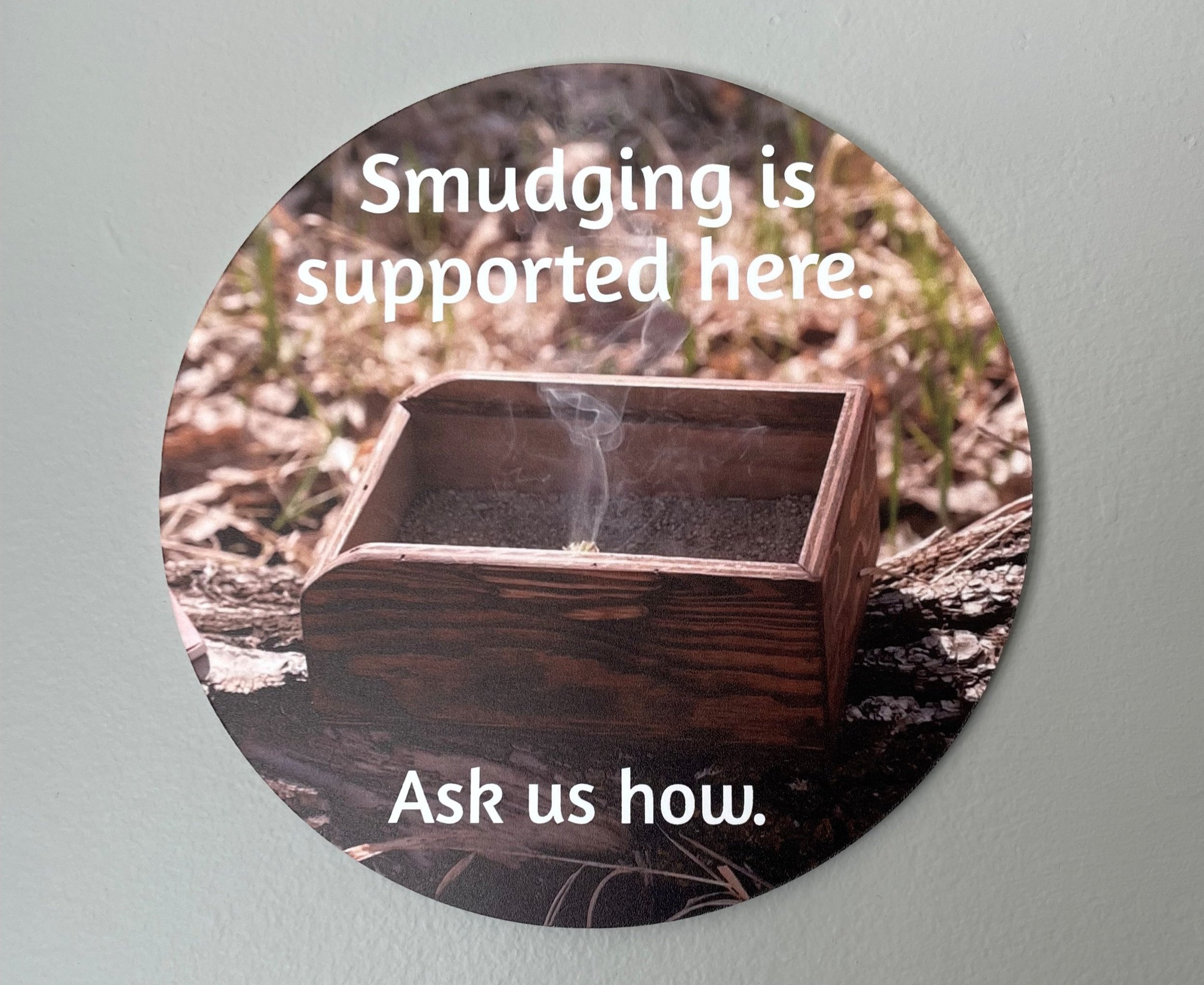
The Galt Museum & Archives and Fort Whoop-Up support smudging within our facilities. If this interests you, please ask the front desk staff for resources and more information.
Smudging is a traditional Indigenous practice that involves the burning of sacred herbs, such as sage, sweetgrass, cedar, or tobacco, to create a cleansing smoke. This smoke is used for purification, healing, and creating a positive environment. Smudging ceremonies can be personal or communal and are often performed before important events or gatherings to promote physical, emotional, and spiritual well-being.
Upcoming Programs and Events
Featured

Join us for a quiet, reflective hour of creating faceless dolls in honour of Missing and Murdered Indigenous Women, Girls, and Two-Spirit people. Together, we will craft these small figures as an act of remembrance, care, and solidarity—each one carrying our intentions, grief, and hope.
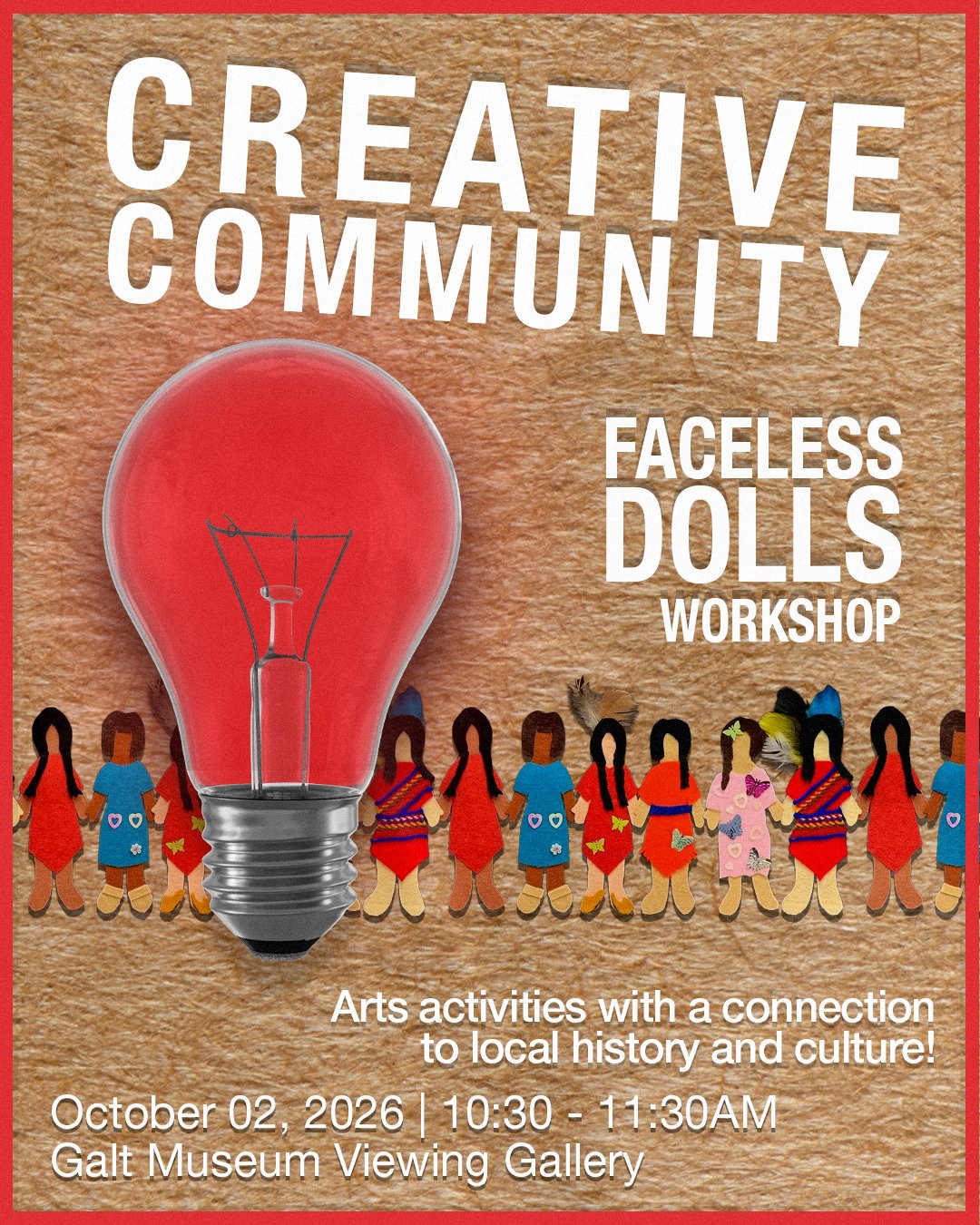
This program provides art activities with a connection to local history, museum exhibitions and culture for adults and seniors, including those requiring accessibility. This program edition will be focused on creating faceless doll, in commemoration of the Sisters in Spirit vigil.

Dress up and relive the Roaring Twenties at this prohibition-themed evening of history, food, and fun. Begin with an exclusive tour of the Galt's Dried Out: Prohibition in Alberta exhibit before making your way to an undisclosed speakeasy location, where only guests armed with the secret password will gain entry. Once inside, enjoy an incredible dinner by Bourbon & Butter, sip specially priced $10 cocktails, and dance the night away in true 1920s style.

Join “A Smile in Every Bottle” guest curator, Stephanie Laine Hamilton, and Lethbridge specialist, Belinda Crowson, for a guided walking tour exploring the former Sicks’ Lethbridge Brewery site and Brewery Gardens.
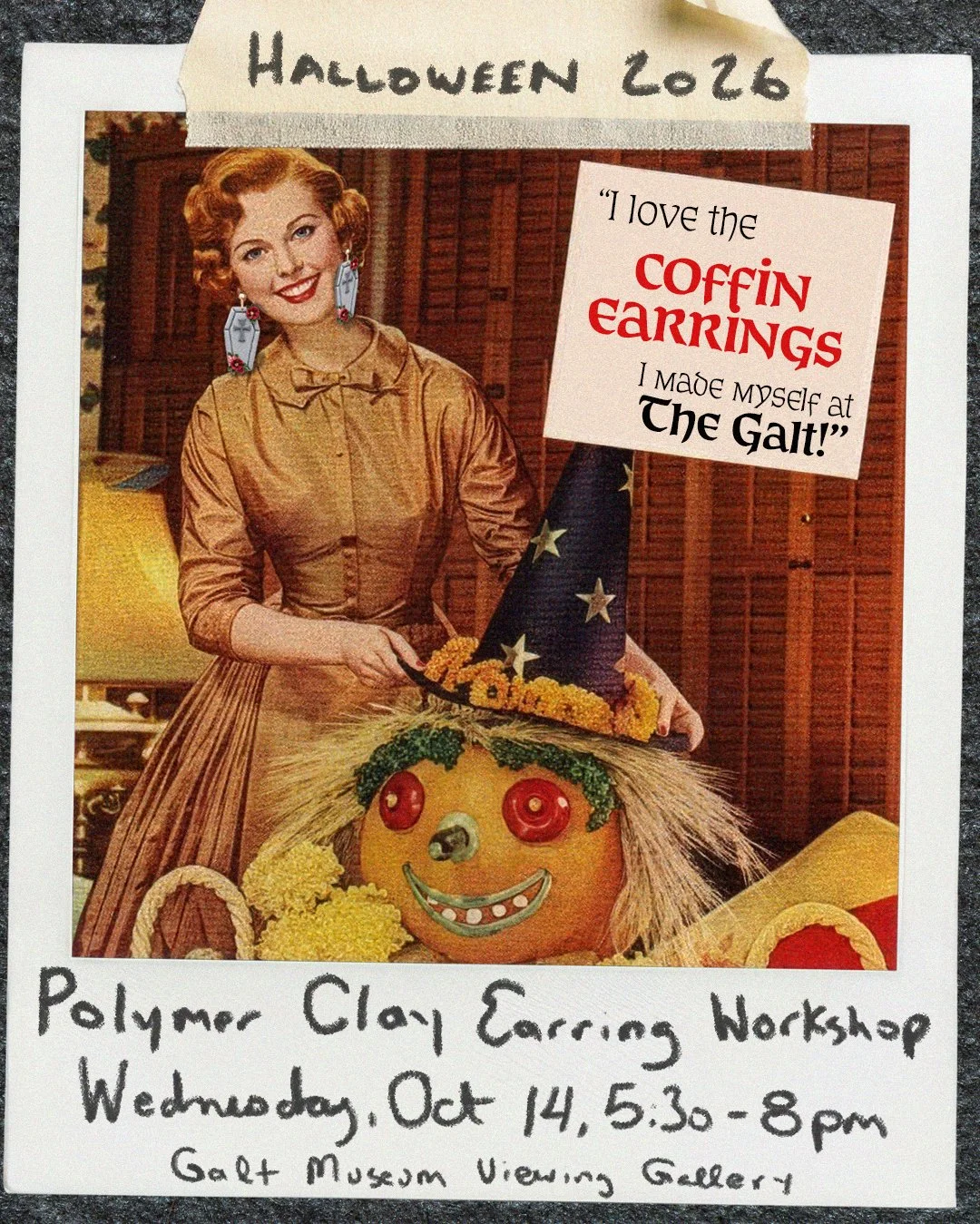
Get spooky and stylish in this hands-on workshop where you’ll design and create your own Halloween polymer clay earrings. From cute ghosts to creepy pumpkins and everything in between, you’ll shape, bake, and assemble one-of-a-kind pieces perfect for the season. No experience needed—just bring your imagination and get ready for a fun, festive creative session.
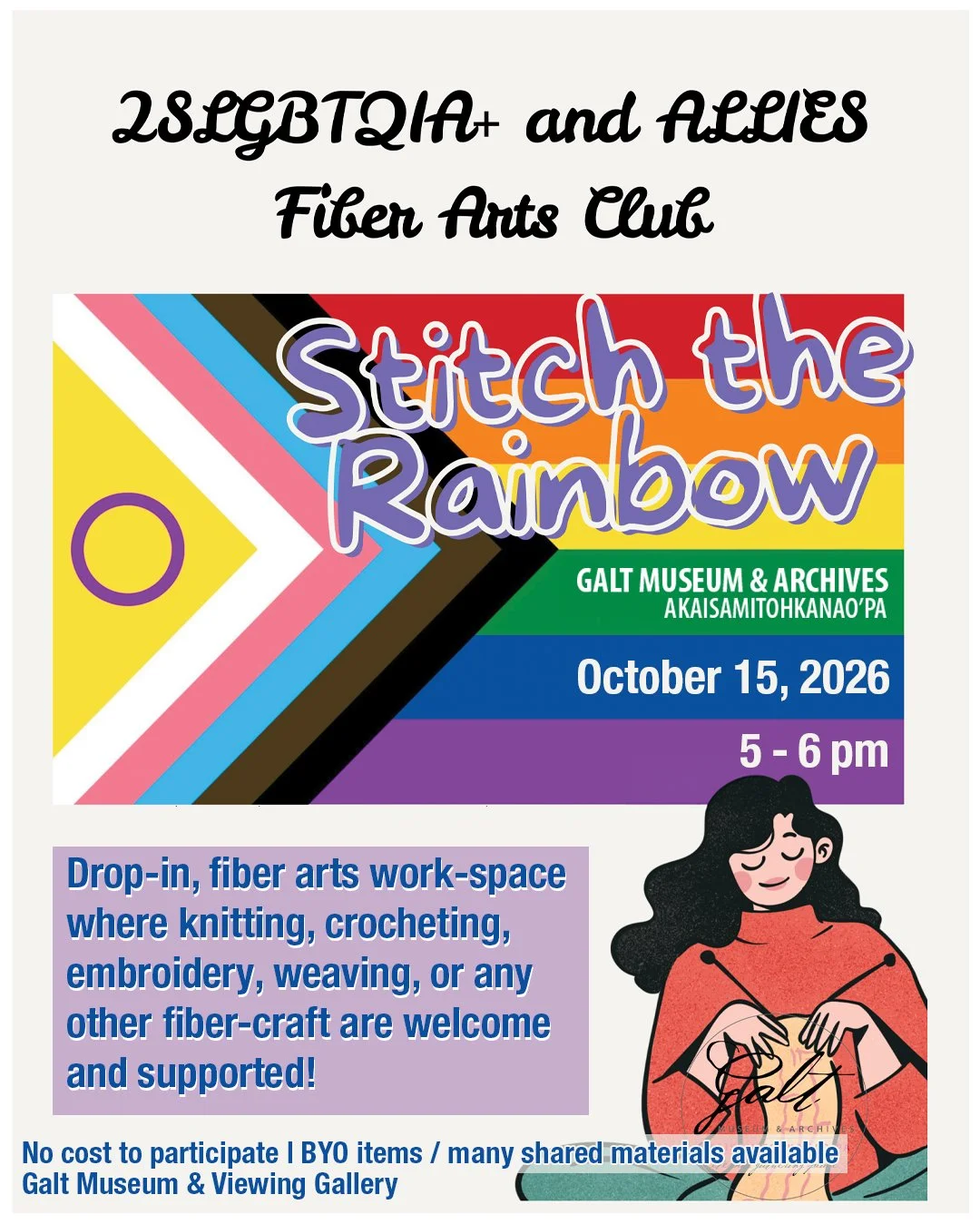
We're a drop-in, fiber-arts-creating work-space community where creativity and color come together, one stitch at a time.
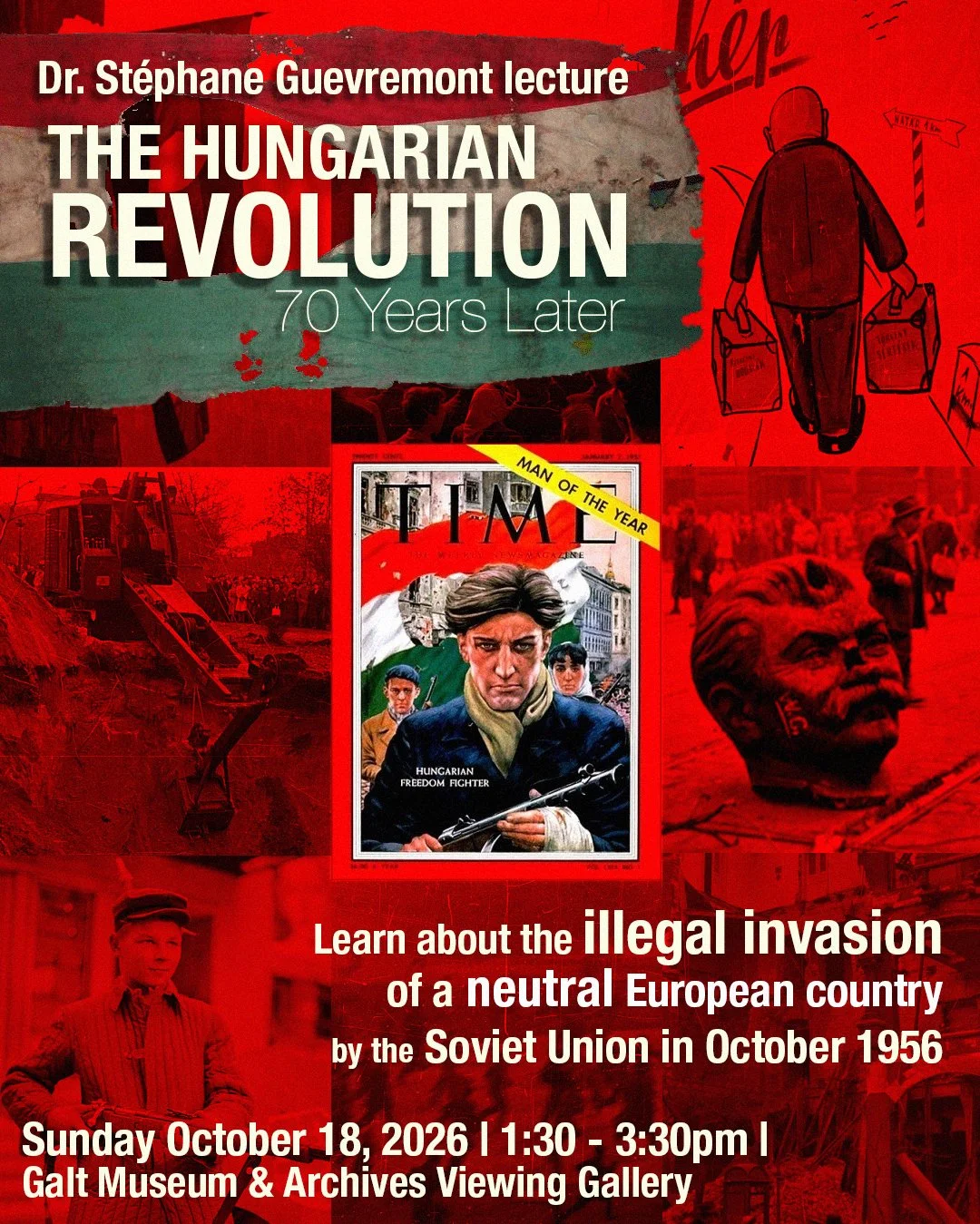
Learn about the illegal invasion of a neutral European country by the Soviet Union in October 1956, while the world watched another military crisis unfold in the Suez Canal area of Egypt.
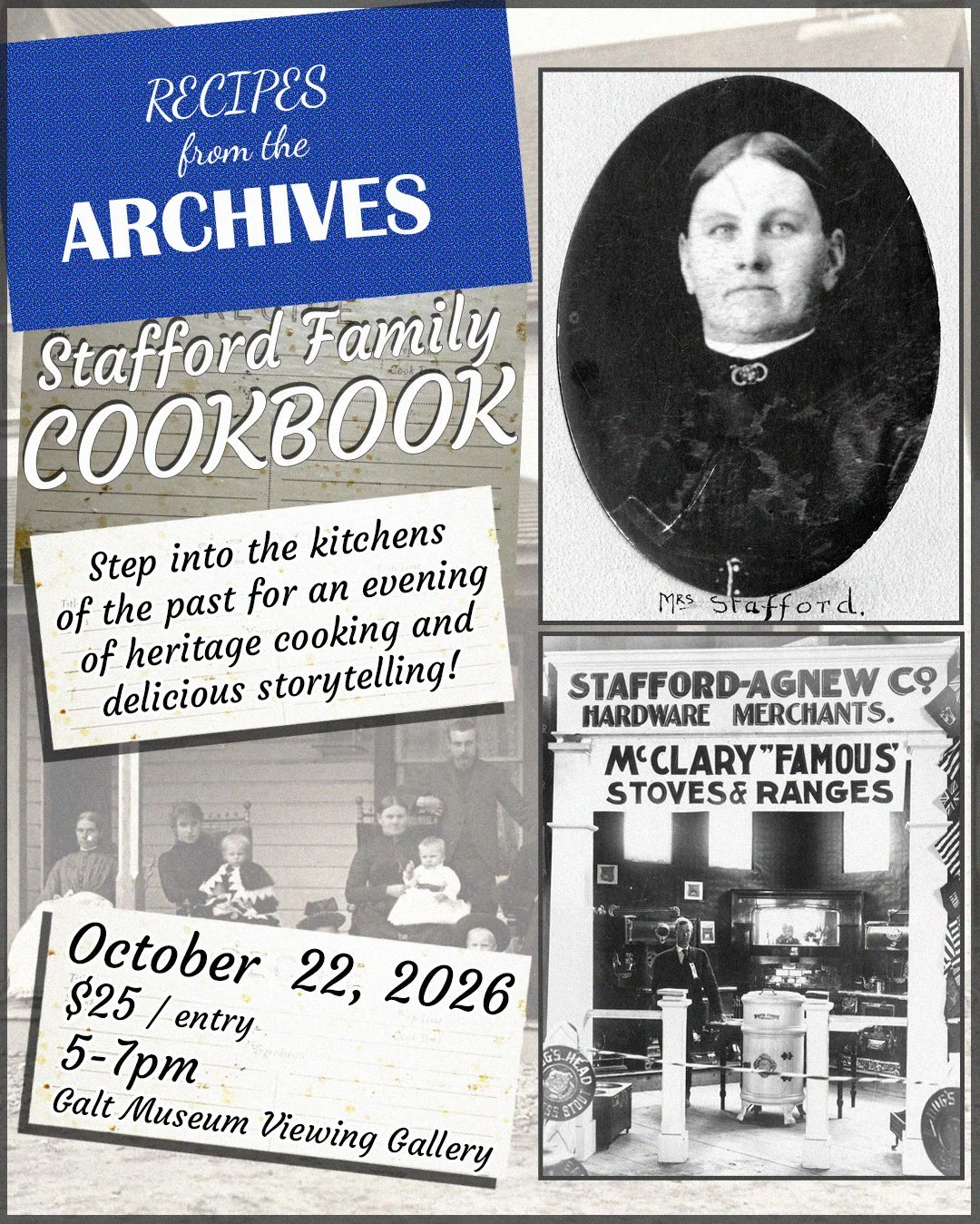
Step into the kitchens of the past for an evening of heritage cooking and delicious storytelling! Join Galt’s own Community Programmer, Kristin Krein, and Archives Assistant, Bobbie Fox, as they explore recipes from the Archives - this fall we are enjoying the historic Stafford Family cookbook!
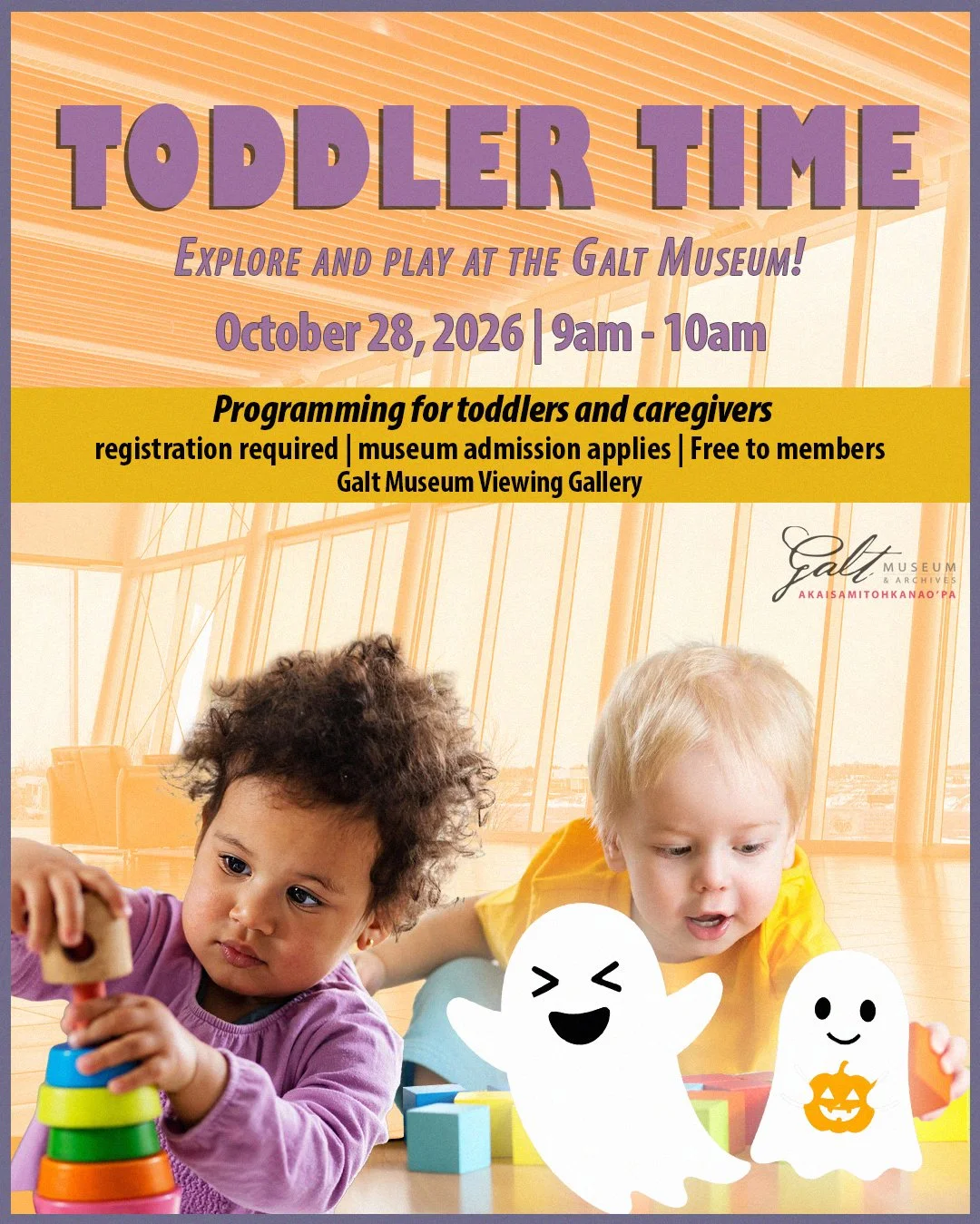
Bring your toddler and small children to an interactive morning at the Galt Museum & Archives. A fun-filled morning with toys, activities, book reading, and a private toddler time in the museum to explore the current exhibition.
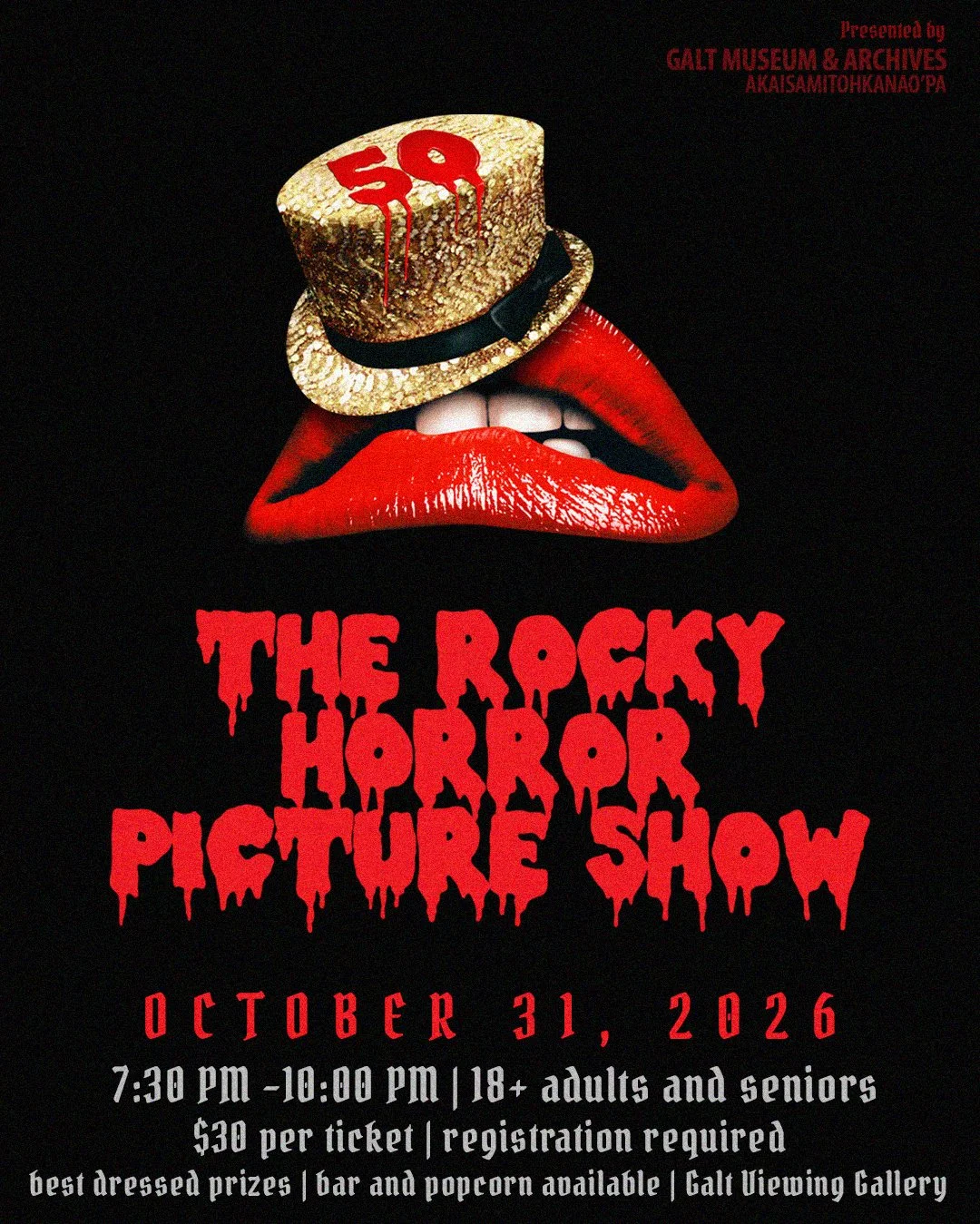
Transylvanians rejoice! The Rocky Horror Picture Show is back again at the Galt in collaboration with Theatre Outré! Released on September 26, 1975
The Galt Museum & Archives engages and educates our communities in the human history of southwestern Alberta by preserving and sharing collections, stories and memories that define our collective identity and guide our future.

KAYAK - Lethbridge Travel Guide
The Galt Museum & Archives is a featured attraction on KAYAK’s Lethbridge Travel Guide.
Newsletter Block
This newsletter signup form needs a storage option. Edit the block and enter a storage location via the Storage tab.
Summary Block
This block has no content yet. Items you add to the page connected to this block will display here.
Events
Featured

Explore more traditional landscapes of the Niitsitapii and discover their connection to the land. These Alberta and Montana sites are culturally and spiritually important to the Blackfoot people.

Examine the traditional landscapes of the Niitsitapi through archival images from the Galt's collection. These southern Alberta sites are culturally important to the Kainai and Piikani peoples.

Examine the traditional landscapes of the Niitsitapi through archival images from the Galt's collection. These southern Alberta sites are culturally important to the Kainai and Piikani peoples.

Discover Lethbridge as seen by Herald photographers over the past century, including Lloyd Knight, Ian Martens and Dave Rossiter.

Between 1939 and 1945 Lethbridge was absorbed into the “home front” culture of the Second World War. Despite wartime restrictions and visible reminders of the war in the city, live music brought people together for some welcome entertainment and a lively social dance scene. This exhibition highlights collections and stories from some of the region’s big names in big band during the early 1940s.

During the First World War, Canada interned 8,579 people identified as “enemy aliens,” across a network of 24 camps. A special feature, Escape!, focuses on the Lethbridge internment camp (guest curated by Galt Museum & Archives intern Benjamin Weistra).

Southern Alberta is home to some iconic natural and cultural landscapes. Explore visual representations of some of these wondrous settings including Frank Slide, Waterton Lakes National Park, the Prince of Wales Hotel, the Cardston Temple, Head-Smashed-In Buffalo Jump and the Burmis Tree.
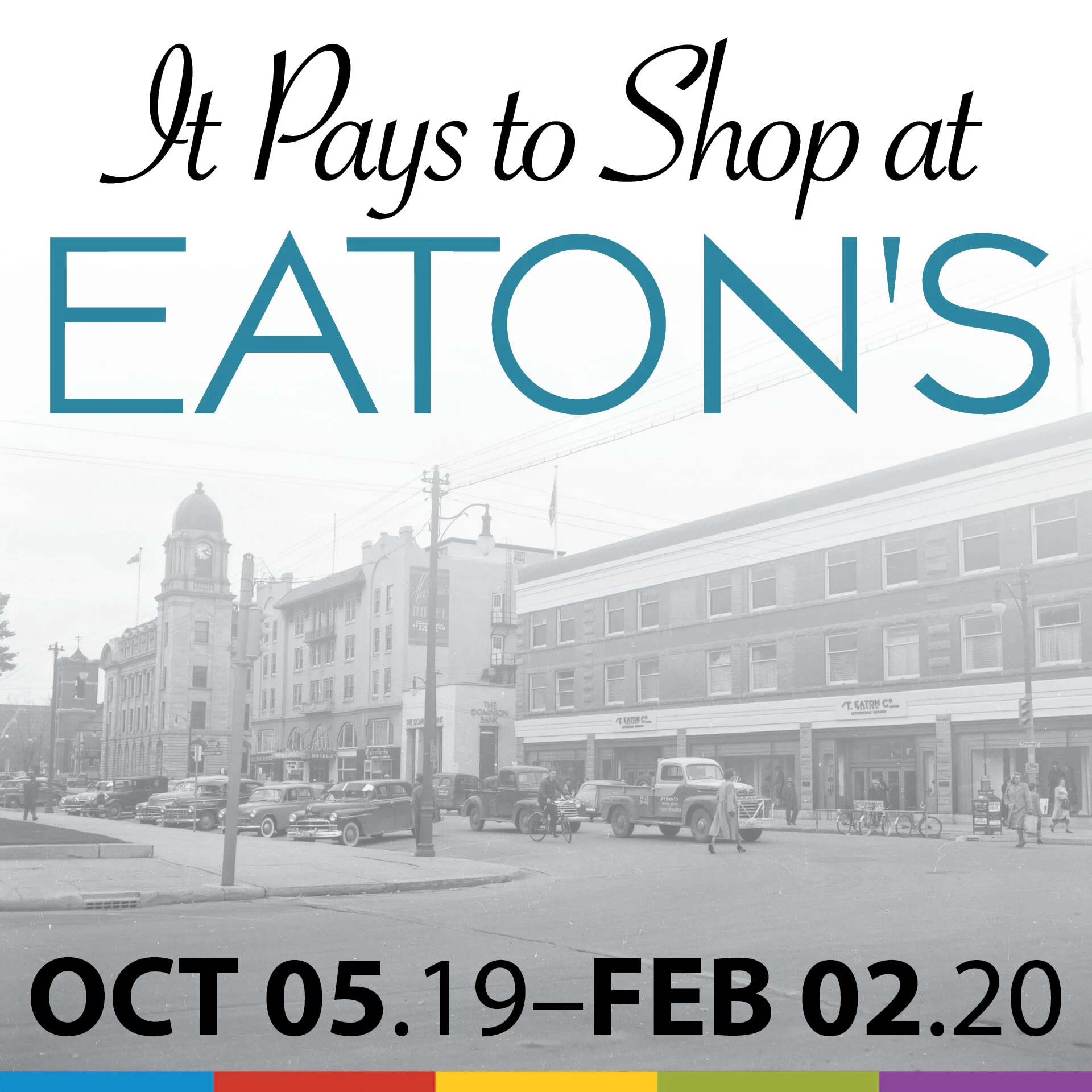
curated by Danica Renke, Zoey Lorne and Aimee Benoit
In the late 1800s, Eaton’s grew from a small dry-goods business into Canada’s largest department store. Drawing on the Galt’s retail and merchandising collections from the local Eaton’s branch, this exhibit explores the history of the department store and shopping practices through the twentieth century.


“Can I Survive an Atomic War?” This headline from the Lethbridge Herald in 1960 captured a worry on the minds of many North Americans at the time. Over the previous decade, tensions had mounted between the western and eastern hemispheres in what became known as the Cold War—an ideological conflict in which countries raced to produce more and more sophisticated nuclear weapons. With disaster on the horizon, Canadians began pushing for civil defence.


Albertans fight a seasonal flu each year, but in 1918 the flu was especially deadly. That strain, commonly referred to as the Spanish flu, was unique because it disproportionally killed young, healthy adults (aged 15–45). Scientists are still unsure why.

Cinescapes invites visitors to explore the history of movie entertainment, from production to exhibition, as movies evolved from a side-show novelty into one of the most popular forms of mass entertainment.

To soar like a hawk, or ride a wild “mountain wave” off the edge of the Rockies: this dream has enticed generations of gliding enthusiasts to the skies of southwestern Alberta.
Articles
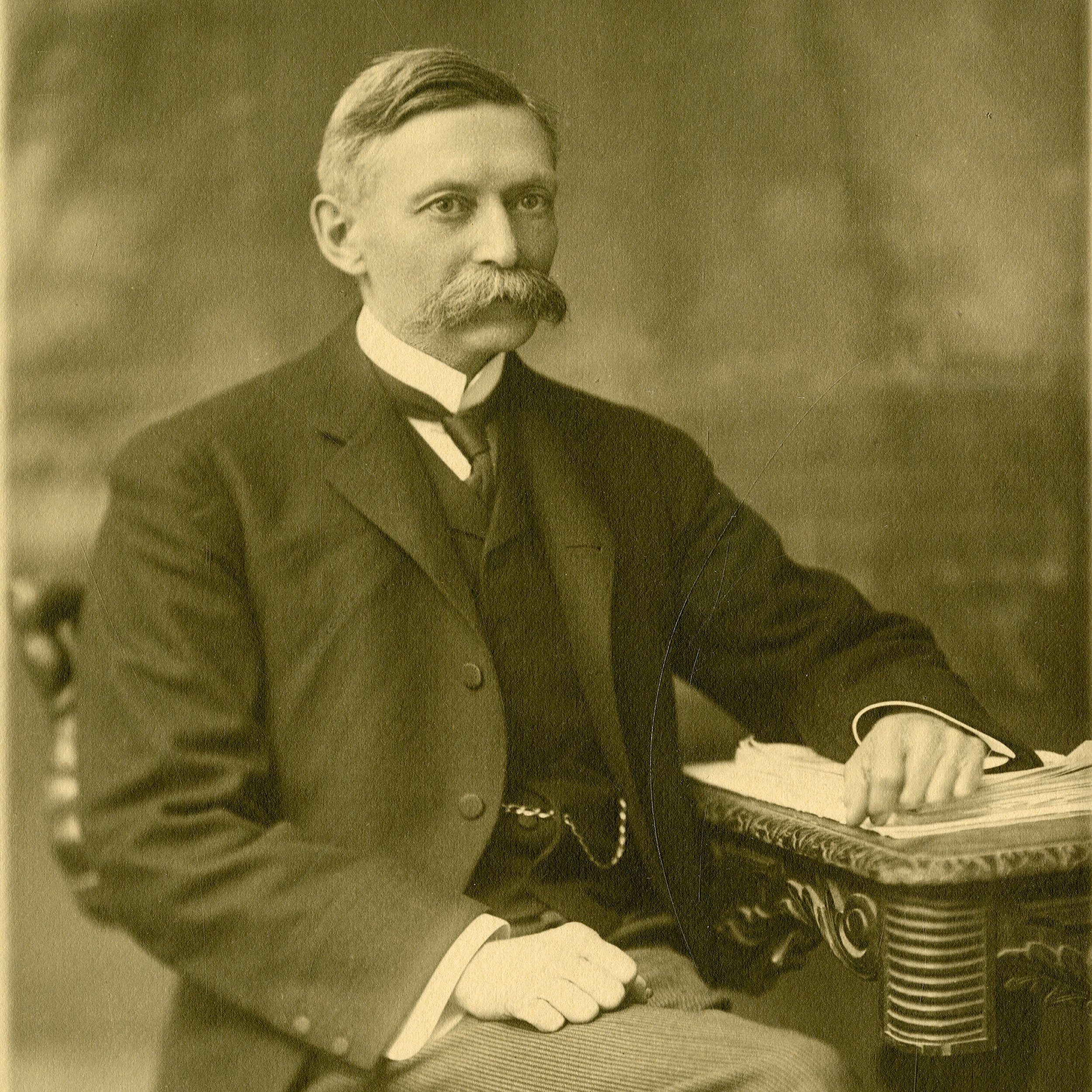
Dr. Frank Hamilton Mewburn was a wiry and fiery surgeon, politician, army officer, and university professor who greatly contributed to the development of Lethbridge. Mewburn came from a long ling of medical professionals, graduating from McGill University in Montreal in 1881.

Although Claudia Tennant was not a graduate of the Galt School of Nursing, it was a key part of her life. Tennant spent twenty years at both the Galt Hospital and the Lethbridge Municipal Hospital as the Director of Nursing for the Galt School of Nursing. Her original decision to become a nurse was influenced by Lucy Hatch McInnis, a graduate from the Galt School of Nursing’s first ever class in 1913.

In 1907, just one year after miners went on a nine-month strike, Eliott T Galt donated $30,000 for the construction of a larger hospital in Lethbridge. The city matched this amount, and a new hospital was built to replace the 1891 hospital building which was no longer large enough to serve the community. The new Galt Hospital, which we know today as the Galt Museum & Archives, opened in 1910. With this addition, the hospital could now accommodate 65 patients.

Many of us will at least have vague memories of Senior Men’s basketball here in Southern Alberta. True Senior men’s basketball. It began being played in Southern Alberta not long after the game made its way here in 1904. I’ve been able to find records of Senior Men’s ball being played for Provincial Championships as early as 1908. The earliest reference to an Alberta team was in 1915, and the first Southern Alberta team was in 1918 and it was just called “Lethbridge”.

It all started 120 years ago, on July 1. The town of Raymond, with its population of under 5000 people, has perhaps one of Alberta's longest and most notable histories of any basketball program. In 1904, the Raymond Exhibition sponsored what has become known as the first official game of basketball in, what was then, the Alberta region of Canada’s Northwest Territories. Alberta became a province in 1905.

Construction of the original Galt Hospital in 1891 was financed by Sir Alexander Galt, owner of the Northwest Coal and Navigation Company. Coal miners in the Oldman River Valley desperately required health care due to unsafe working conditions. Frequent exposure to dust and toxins often led to illnesses such as pneumoconiosis (black lung disease), pulmonary disease, asbestosis, and cancer.

Prairie short grasses, rolling foothills, the Rocky Mountains, and the Chinook winds. These words, spoken to a Southern Albertan whether they still live here or not, evoke a myriad of memories, each unique to the individual, yet all rooted in the concept of home. Family names like Tollestrup, Hicken, Gibb, McMurray, Molcak, Rice, Karren, West, Bourne, Heggie, Stevenson Rollingson, Mirkovich, and many others evoke another set of memories of “home”. Home on the basketball court.
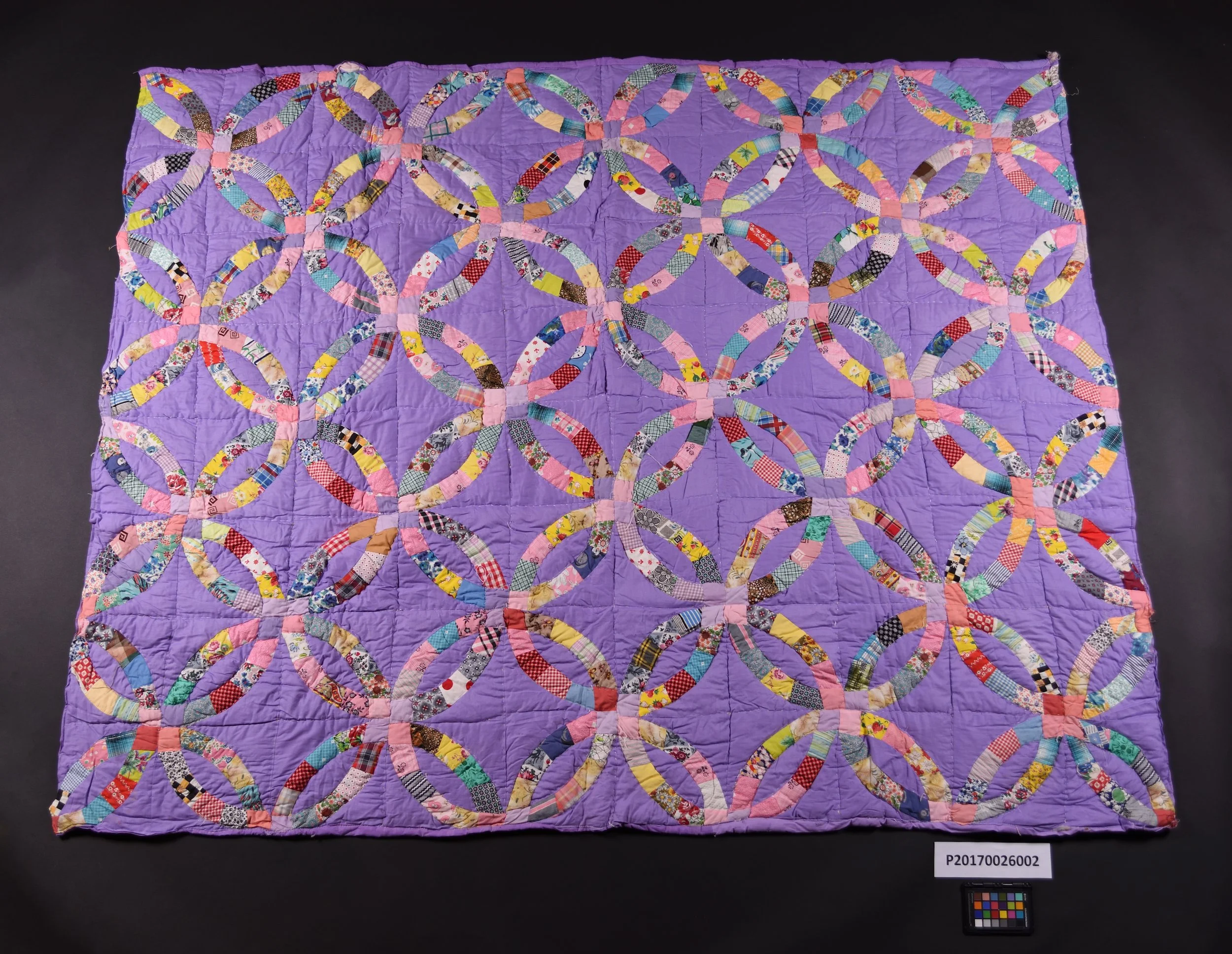
We might all have that one family member who can magically repurpose old fabrics into warm quilts. Some assume that making a quilt is simple, but the process is quite lengthy. Quilters must plan out their design, pin cloth together, and sew through many layers of fabric. The Galt Museum & Archives has a large collection of quilts. Within this collection are five quilts by Katherina Betts that were donated by her son Ed and daughter-in-law Gloria Betts.

Past issues of the Lethbridge Herald have long served as an encyclopedia of community life, a Who’s Who of Southwest Alberta. However, not everyone was fairly represented. In the Galt Museum’s archives are images of Blackfoot people once featured in the newspaper without identification, leaving their stories untold. The 1,000 Faces Project was designed to bridge this gap by recovering and preserving their names in archival records.

Beginning as two humble columns in 1910, “Miladi” was a women’s section in the Lethbridge Herald, which quickly grew to a whole page later in the year. “Miladi” included everything from personal happenings to sewing patterns to Aunt Sal’s Handy Hints, which was an advice and information column written by Sara Nelson.

Photography and journalism have a long history in Lethbridge, dating back to the Lethbridge Herald’s first publication in 1906. Herald photographers have played a crucial role in narrating the city’s stories through their visual storytelling. More recently, the industry has gone through significant changes with the emergence of social media and various news channels.

Journaling is a great way to decompress, remember a great day, or spill some gossip. While you might hide your diary under your bed, these three journals are a part of the Galt Museum Archives. Take a glimpse into the lives of others as they log their year, trips, and even workplace drama.

In addition to Survivors of the Indian Residential School (IRS), survivors of other colonial school systems the Canadian government initiated and implemented for over a century and a half also deserve recognition. As a member of the Kainai (Blood Tribe) of the Blackfoot Confederacy in Treaty 7 territory in Alberta, Tiffany Prete’s research has involved analyzing the educational policies behind the IRS and other colonial schooling models.

The legacy of Evan Gushul extends throughout southern Alberta. As the son of Ukrainian immigrants, Evan grew up with a profound appreciation for his Ukrainian roots. The Gushul children attended music lessons, Ukrainian language classes, and Ukrainian dance classes, with his parents instilling in him the values of hard work and perseverance. Throughout his life, Evan applied these lessons, forging a storied career of his own.

As Southern Alberta’s only queer-mandated theatre company, Theatre Outré, has spent the last decade carving out space for a thriving alternative scene in the prairies. Now, we celebrate them for their iconic boundary-pushing theatrical productions, eccentric events, and unwavering devotion to Southern Alberta’s 2SLGBTQ+ community.

Though easily the most common form of body modification, the history of piercings often proves as subtle as the jewelry itself. Archaeological records suggest that humans have been piercing themselves for at least 5,000 years, often starting with the earlobe. Cultures worldwide have long used piercings to denote social characteristics or sacred rites.

Few constants exist in the ever-changing world of high school. Perhaps none have proven as nostalgically valuable as the portraits, signatures, and memories found in a high school yearbook. Much of Lethbridge’s own high school history sits in its shelves full of these volumes, dating as far back as 1922!

Not all humour ages gracefully, as anyone who grew up subjected to dad jokes can tell you. Context gets lost, punchlines become predictable; when was the last time a knock-knock joke got a laugh from you? It’s easy to see, then, how printed jokes in the newspaper fell out of fashion. This doesn’t mean, though, that old newspapers are entirely humourless today. Indeed, some jokes published over a century ago still prove funny today!

Sometimes, certain indicators—a scrap-paper bookmark here, a scribble on that corner—will pop out at just the right time, serving as immediate reminders of the people who used, owned, and, in many cases, loved these items. While the exact dates or authors of these personal touches can be hard to pin down, these small treasures can sometimes humanize the residents of Lethbridge’s past more than any catalogue or municipal record.

In January of 1923, Lethbridge resident E. G. Sterndale Bennett published a letter in the Herald. The column, a thoughtfully penned request to connect with theatre lovers like himself, received only one written response. This year, Sterndale Bennett’s theatre group celebrated their centennial. Clearly, an opening isn’t everything!

Whether you’re repulsed by or devoted to tattoos, it’s hard to deny their significance in human history. Ötzi the Iceman, a 5,000-year-old mummy, sported sixty-one small lines of ink around his body. Body modification has long been used around the globe to denote characteristics like strength, social standing, or battle experience. In modern-day Lethbridge, many of us wear them for a slightly less compelling reason; we like how they look!

Lethbridge’s Oliver Block, located across the street from Draffin’s Pharmacy on 5 Street downtown, has borne an interesting story since the day it was built. Constructed at the turn of the twentieth century, the building was named for its owner William Oliver during his term as Lethbridge’s seventh mayor. The building opened in two separate segments at Oliver’s behest, as he was eager to open his blacksmithing business as soon as possible! In the 120-odd years since, the building has housed a wide variety of tenants. Perhaps what the building is best known for now, however, is how close it came to destruction.
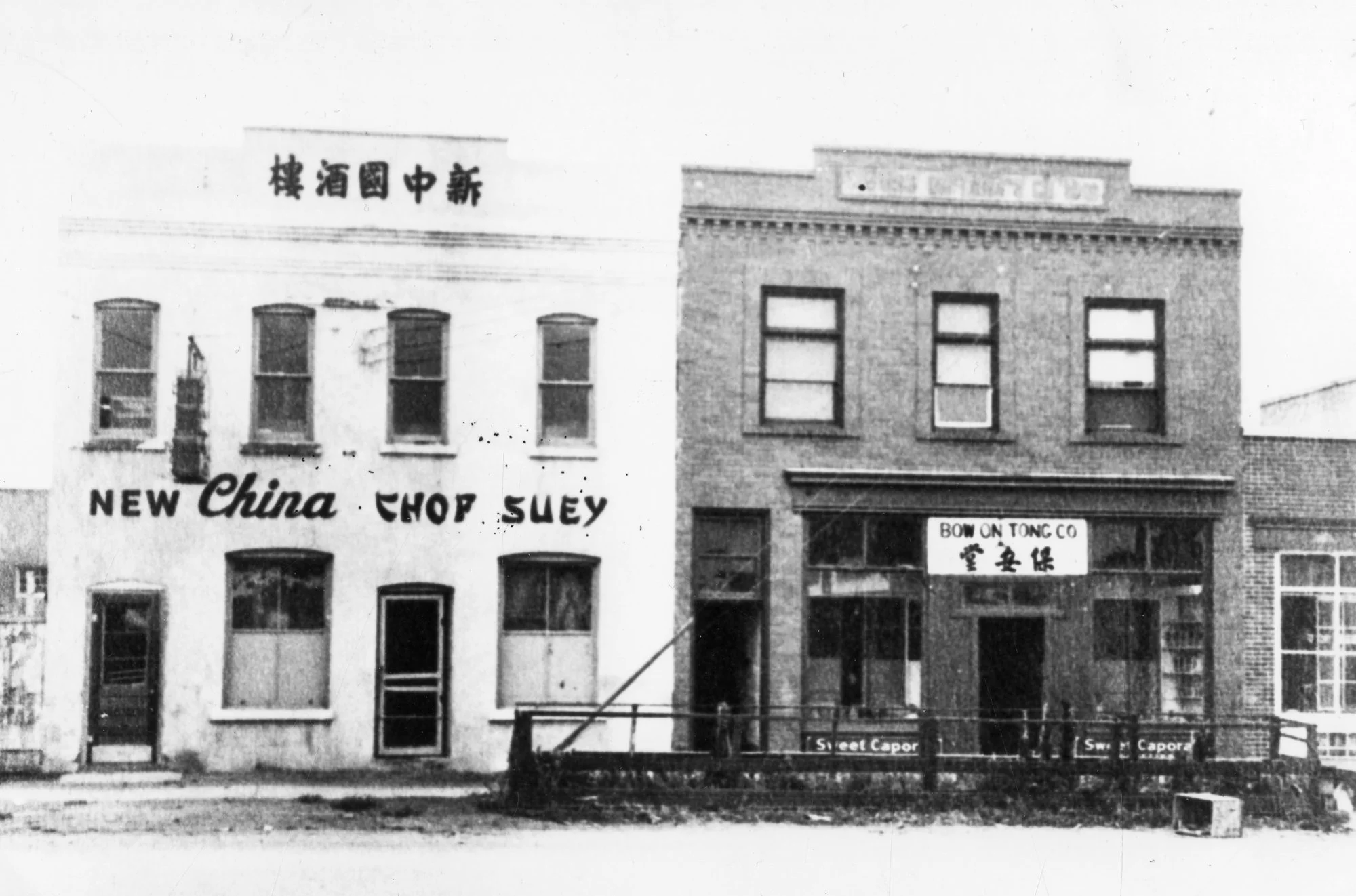
As Lethbridge lost the 104-year-old Bow On Tong building to a fire in early February, many feared that the last remnants of Chinatown were gone with it. Some staples of the historic community still stand along 2 Avenue; most of us are familiar with the bold architecture of the Chinese Freemason building, or the Traditional Chinese lettering atop the Wing Wah Chong Co. building. As more historic buildings are lost to time, however, it is worth examining exactly what purpose they served in the first place—and why they still matter today.

Throughout its history, the American Hotel in Fort Macleod served as a gathering space for Indigenous peoples in a largely white, settler town. As the hotel’s ownership changed over the decades, this affected how interactions unfolded inside its doors and who was welcomed.

Many of us are uncomfortable when discussing funerals and death—and for valid reasons. Examining the history of these events in our community, however, can shed some light on how we conduct them today.

The familiar narrative of the Second World War is that of the Allies triumphing over the Nazis. However, for thousands of Japanese Canadians, their experience of this same event was one of injustice and broken promises.

When Dorothy Clark, a 24-year-old graduate of the Minneapolis Academy of Beauty, moved here in 1924, it was to a much different Lethbridge than we know today. While a swath of local spas, salons, and beauty shops can be found now with a simple search engine inquiry, Mrs. Clark was entering a much smaller market; her arrival to Lethbridge marked her as one of only two working hairdressers in the 14,000-person mining community.

For as long as humans have flown, Lethbridge has had the space for it! As aviation took off in the early twentieth century, the need for dedicated airports became clear around the world, from major cities to small rural communities. It wasn’t long before this demand manifested locally into the Lethbridge Airport.

There’s no need to explain how important hockey is to Albertans. No matter the age or the league, the sport has an impact on all of us—especially if it inspires pride in our local athletes!

While a relatively young city, Lethbridge’s history is unique in the way it surrounds us even today. It is easy for any historical organization to speak about buildings that used to be, or practices that were once in place; it’s another thing entirely to walk up to these buildings or continue these lines of work. While industries like coal mining are seen far less today, other fields—particularly the agricultural kind—define our region today as thoroughly as they used to. The past runs through any city’s veins; in Lethbridge’s case, it doubles as its face.
News
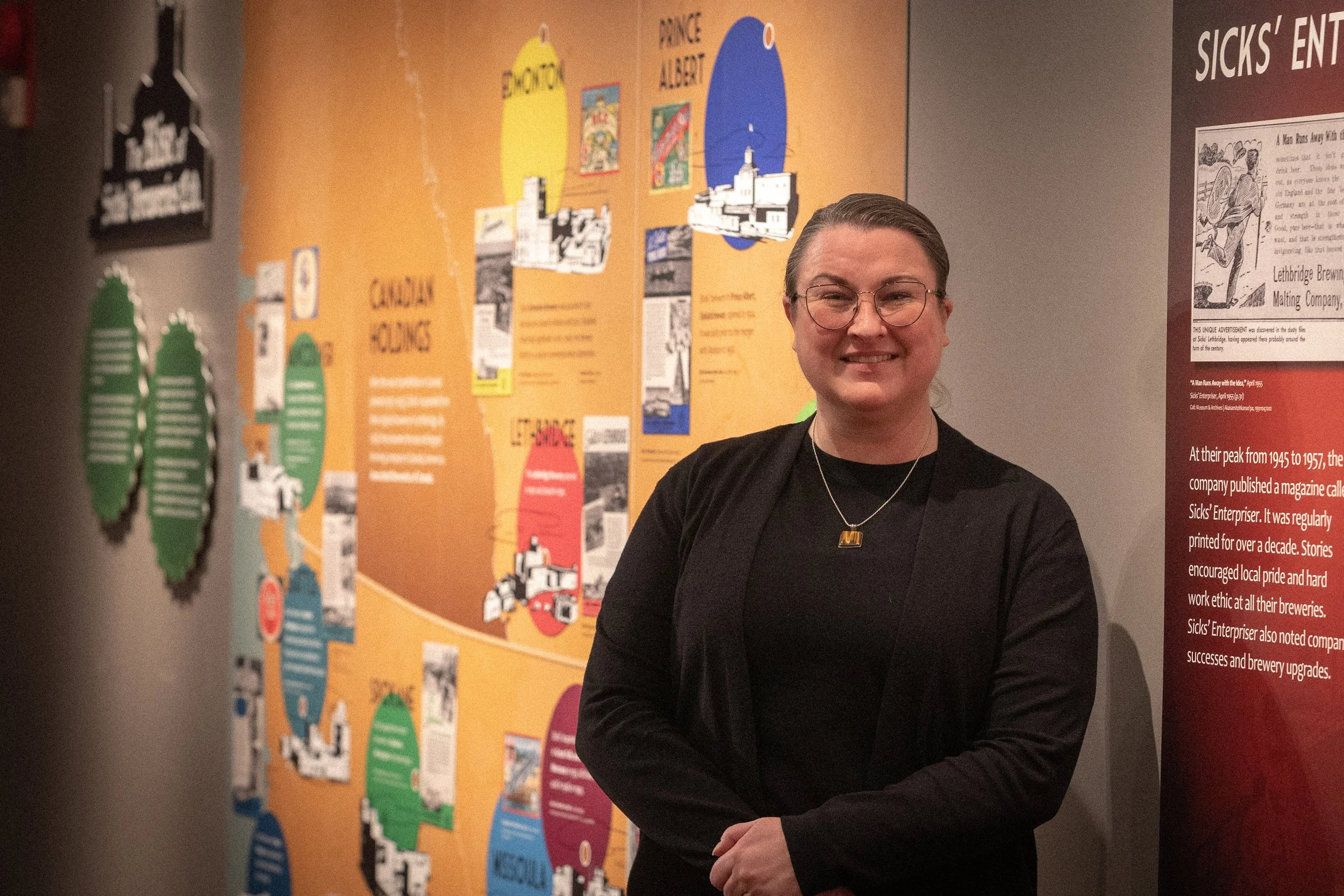
Stephanie Laine Hamilton's Research on A Smile in Every Bottle Featured Waugh Prize Finalist
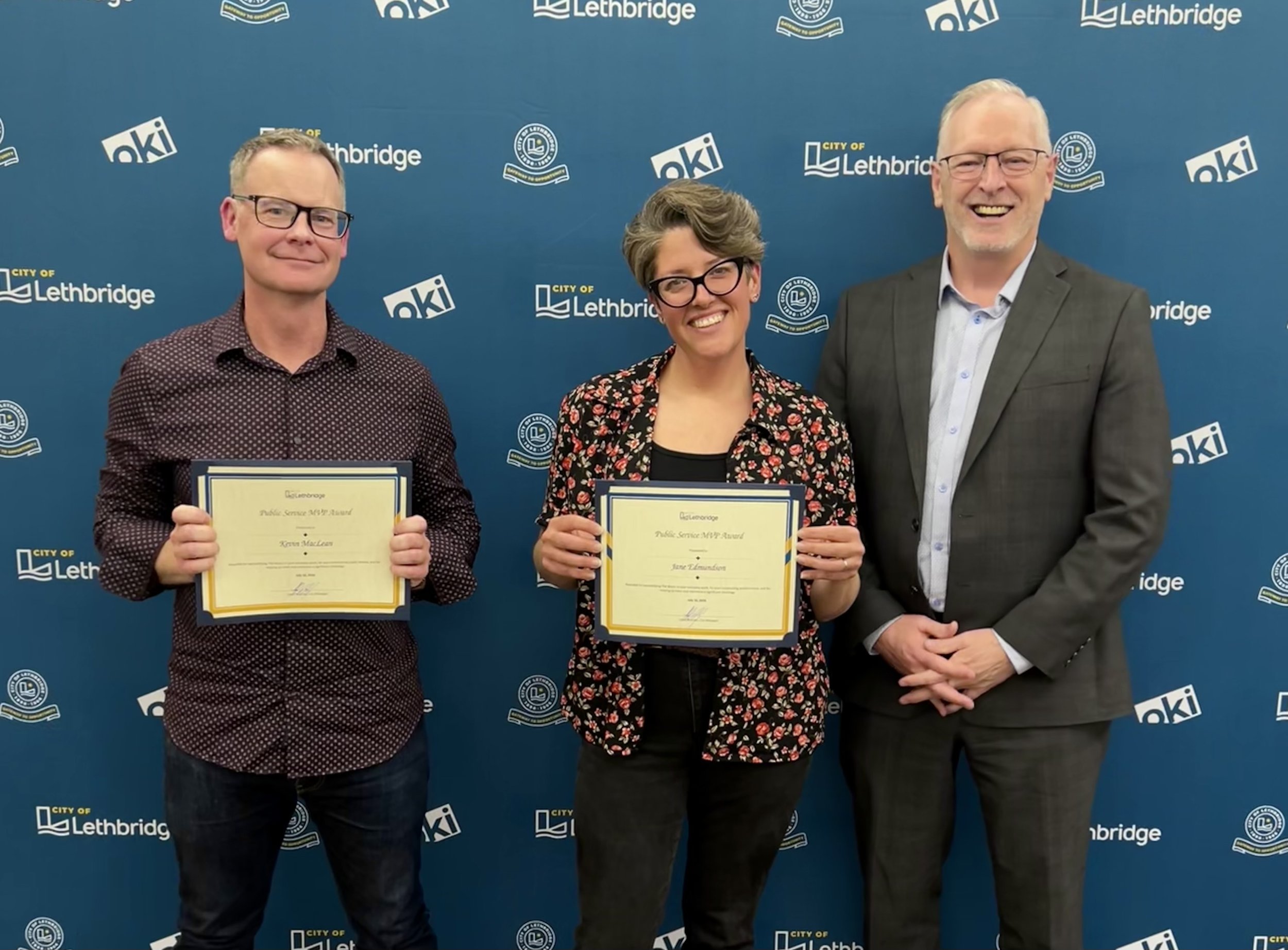
The Galt Museum's recent exhibitions, Treasures & Curiosities and A Smile in Every Bottle were a big hit with the community. Kevin and Jane played a key role in making them happen.
On May 1, 2026, the Galt Museum officially launched three new temporary exhibits. Down in the Valley (lower-level gallery) explores people’s connection to and reliance on the Oldman River for life on the prairie. Dried Out: Prohibition in Alberta looks at why prohibition was introduced, how it was enforced, and its lasting impact on Alberta society. A Smile in Every Bottle: Sicks’ Lethbridge Breweries Ltd. focuses on the city’s former brewery and how the Sick family built a brewing empire across Western Canada and into the United States.
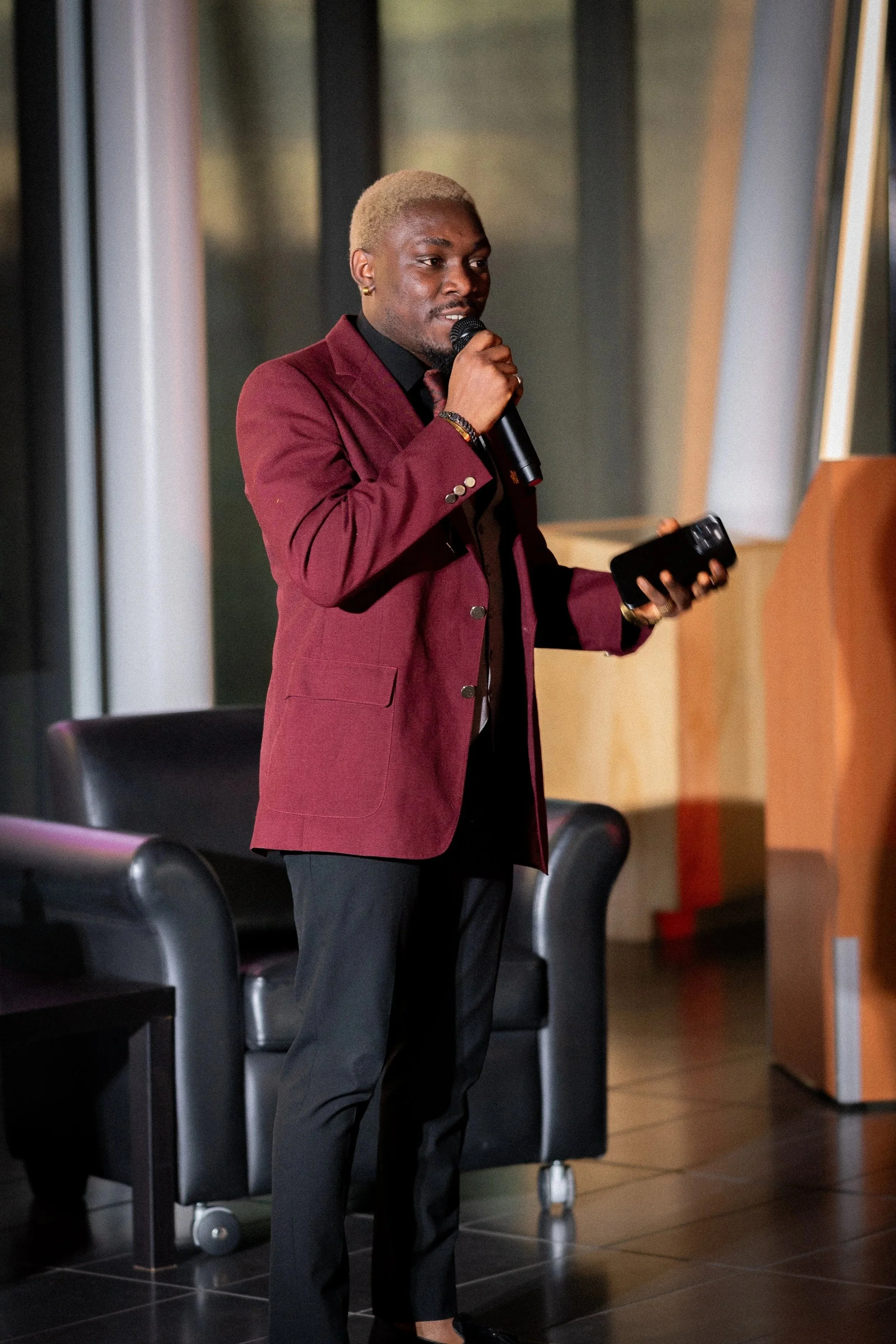
The Galt Museum & Archives have partnered with the Art/ Museum Studies program at the University of Lethbridge to award any undergraduate students who identifies as Black, Indigenous or racialized with $1,500 and the opportunity at the museum as a inter during the Fall Term.
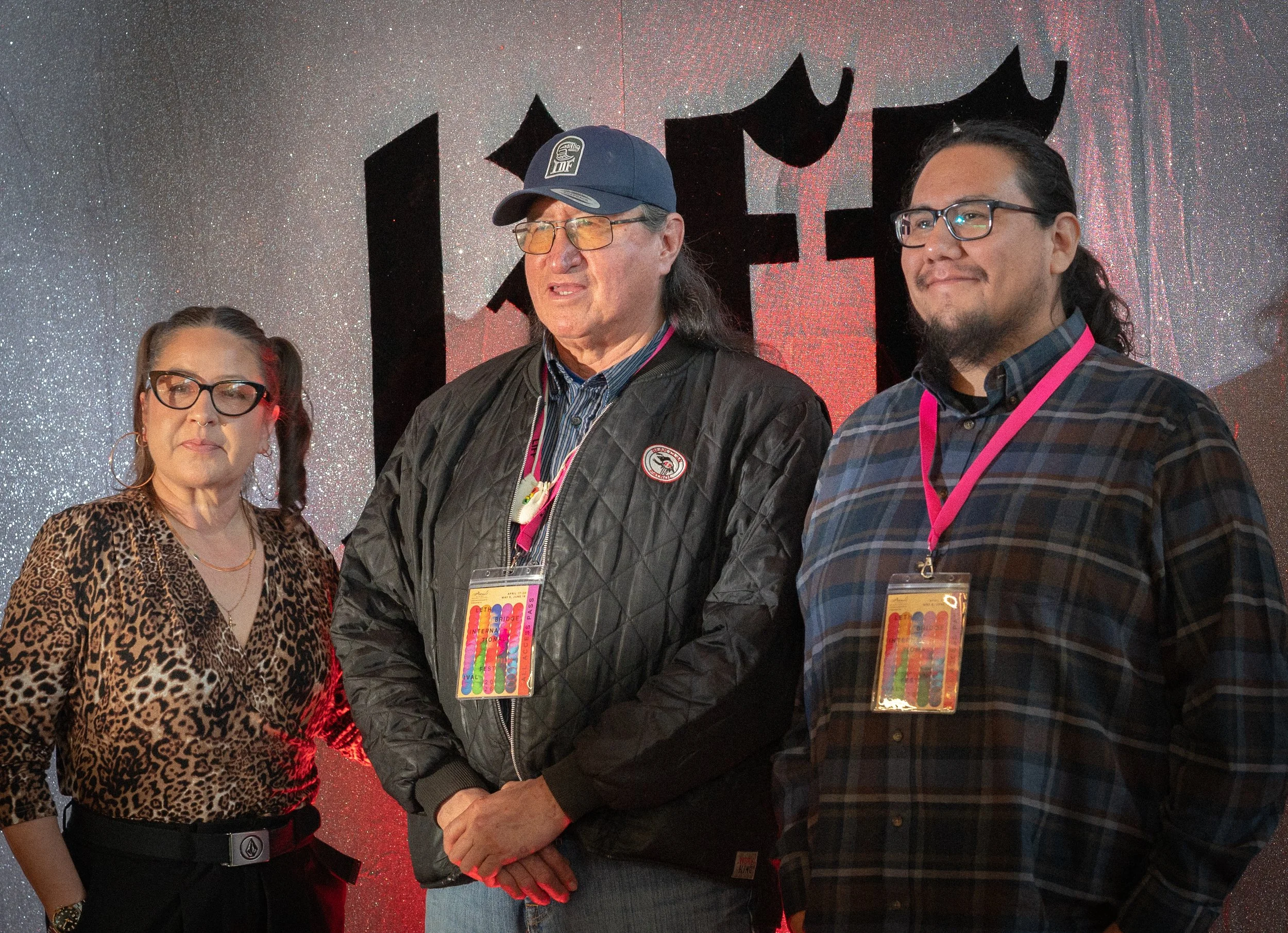
Once again, the energy, curation, and organization at LIFF 2026 were outstanding. The festival saw a general increase in attendance over 2025 and expanded in several meaningful ways… read more
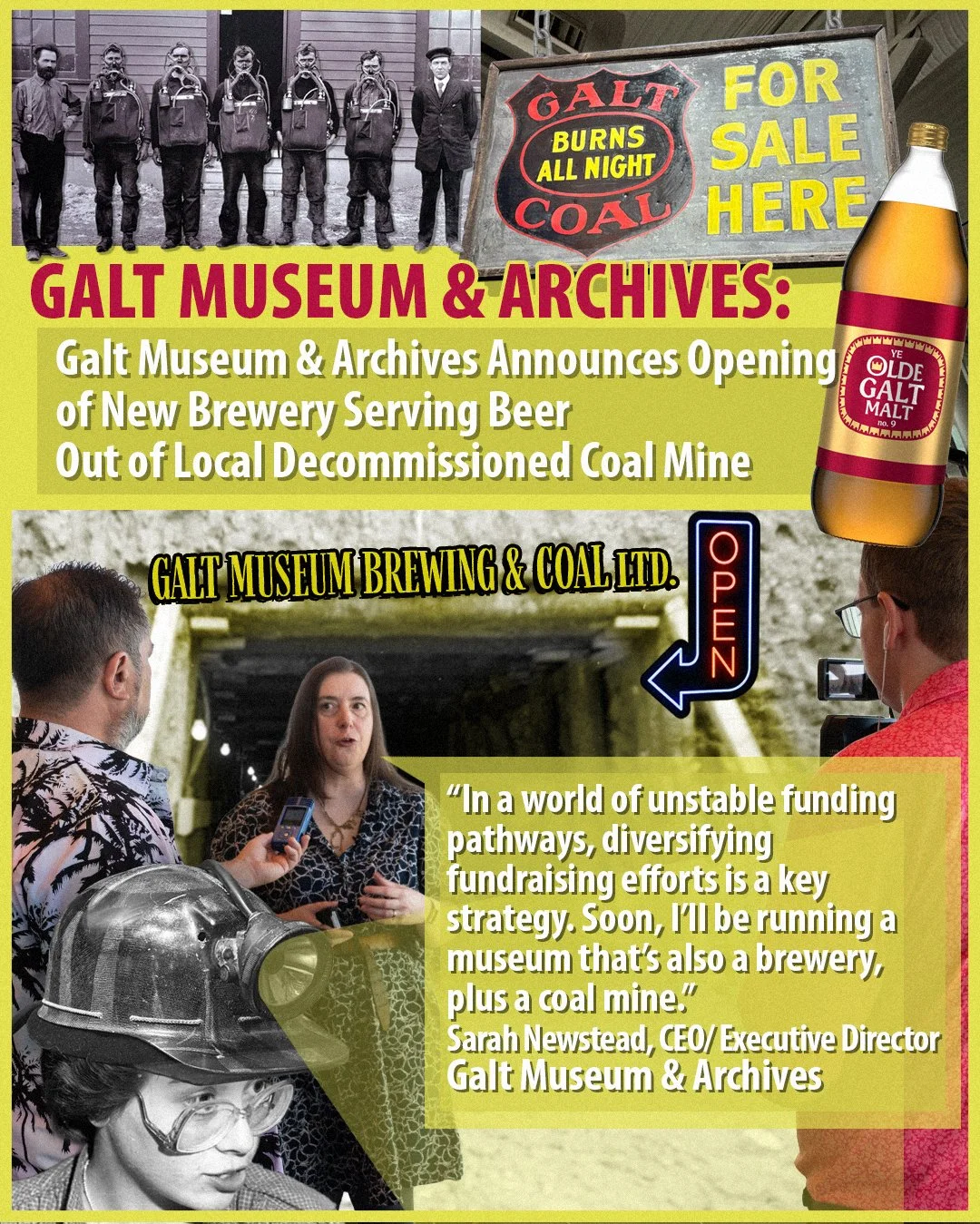
“I think opening a brewery was a logical next step,” says Tyler Stewart, curator at The Galt. “People are ecstatic about the exhibit experience. We thought, if we’re already digging all these artifacts out collections for the exhibit, why not put them to good use?”
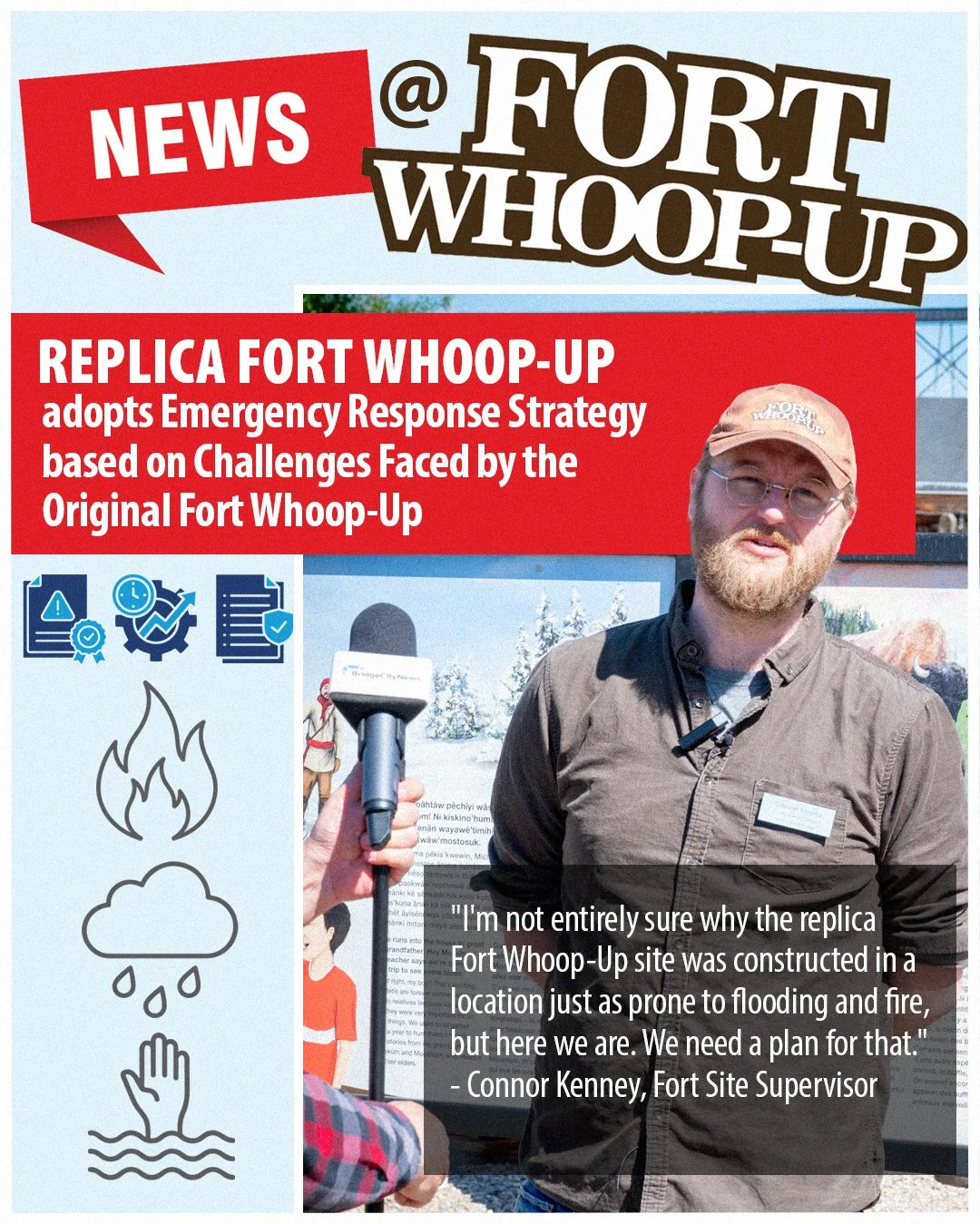
Today marks a strategic milestone in the history of the replica Fort Whoop‑Up, as staff officially adopted a comprehensive emergency response plan. The framework is designed to address risks including fire, flood, and the clandestine sale of unregulated consumable liquids.
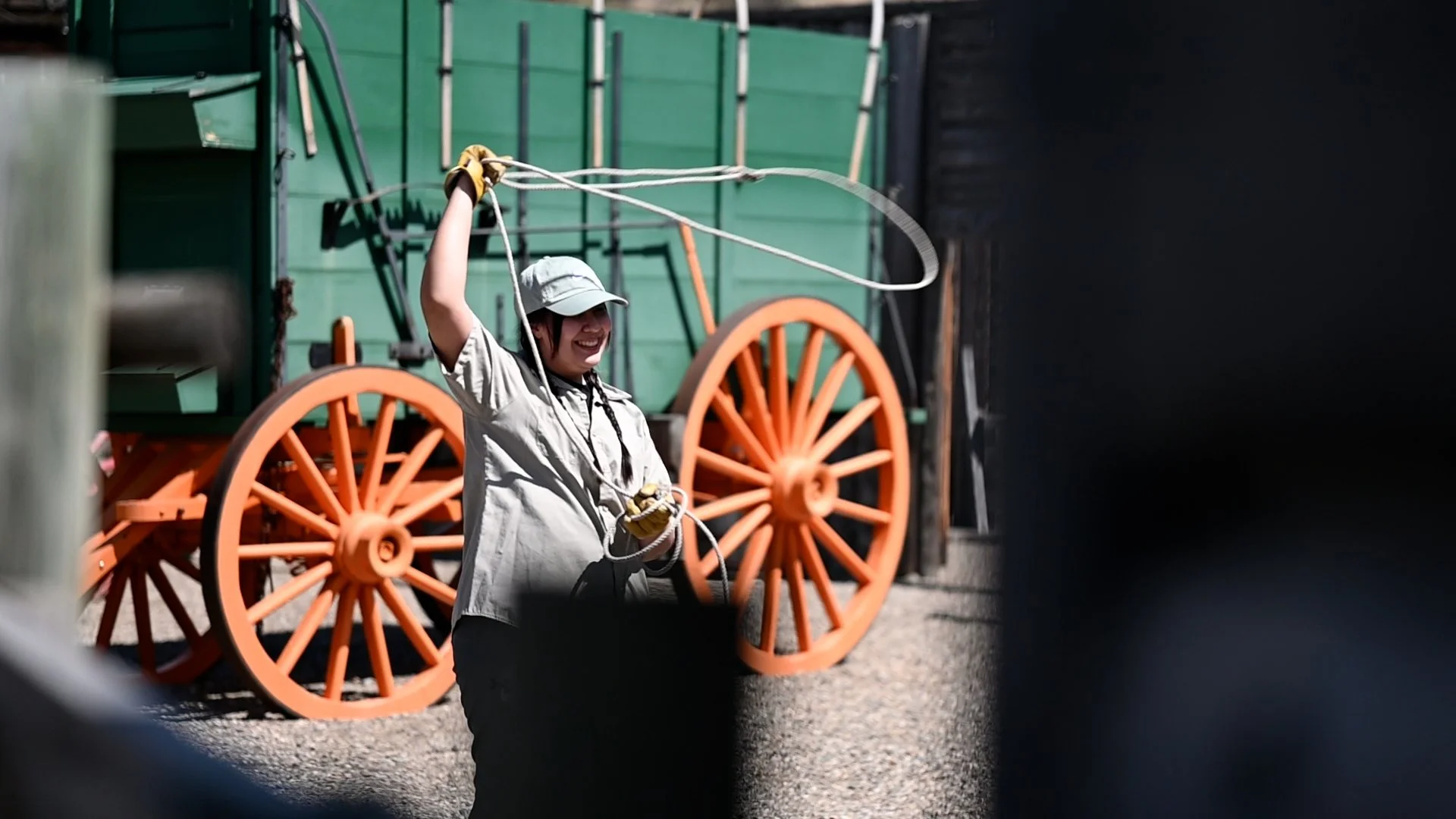
Ready to spend your summer bringing stories, culture, and history to life?
The Galt Museum & Archives and Fort Whoop-Up are hiring up to five Visitor Engagement Attendants for an 18‑week term beginning May 1, 2026.
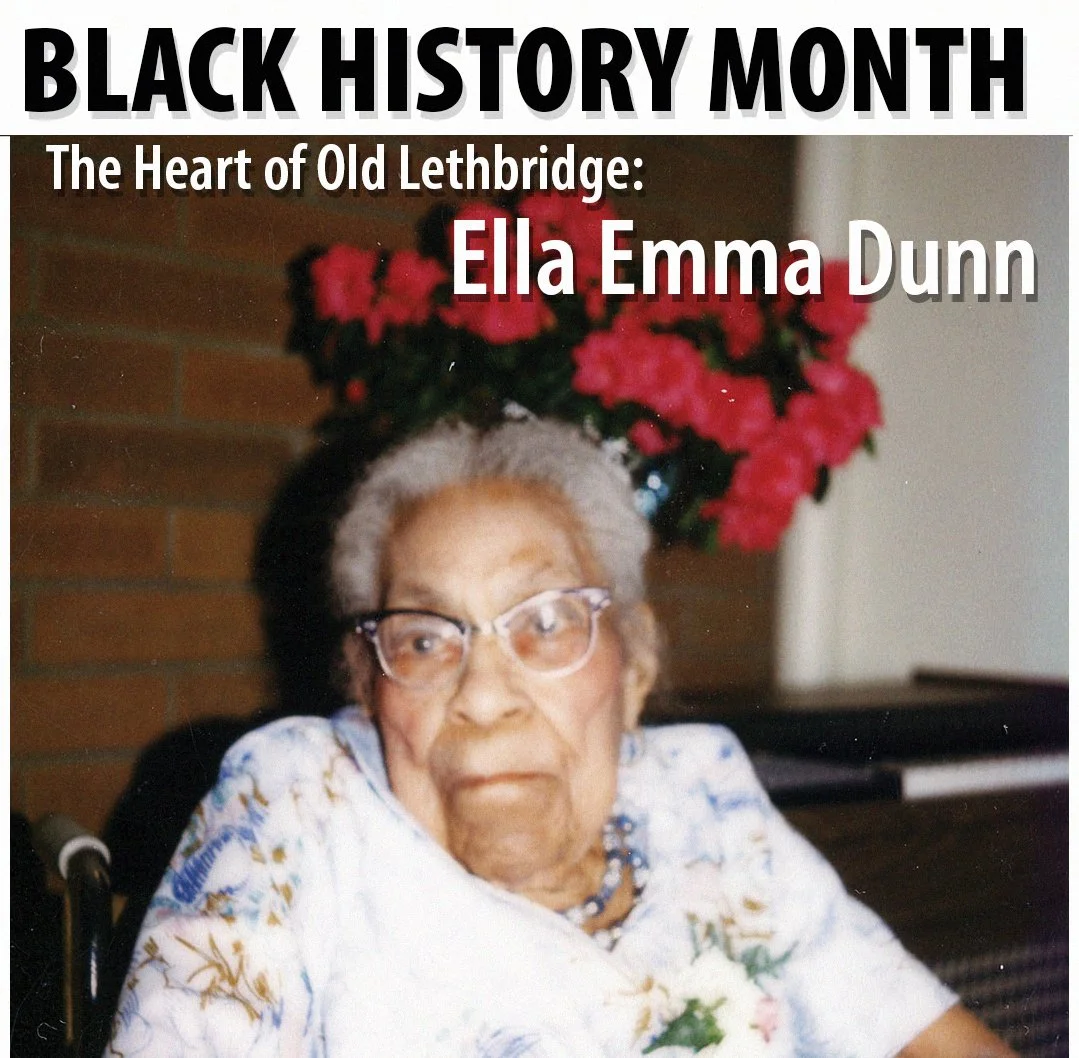
Ella Emma Dunn lived to 105, cared for by people who considered her family. Remembered for her generosity and resilience, she left a legacy of community, compassion, and belonging. Her life continues to inspire as a powerful example of kindness shaping a city’s history.
Check out the list of amazing International Women’s Day programming the Galt will be featuring and collaborating on in March!
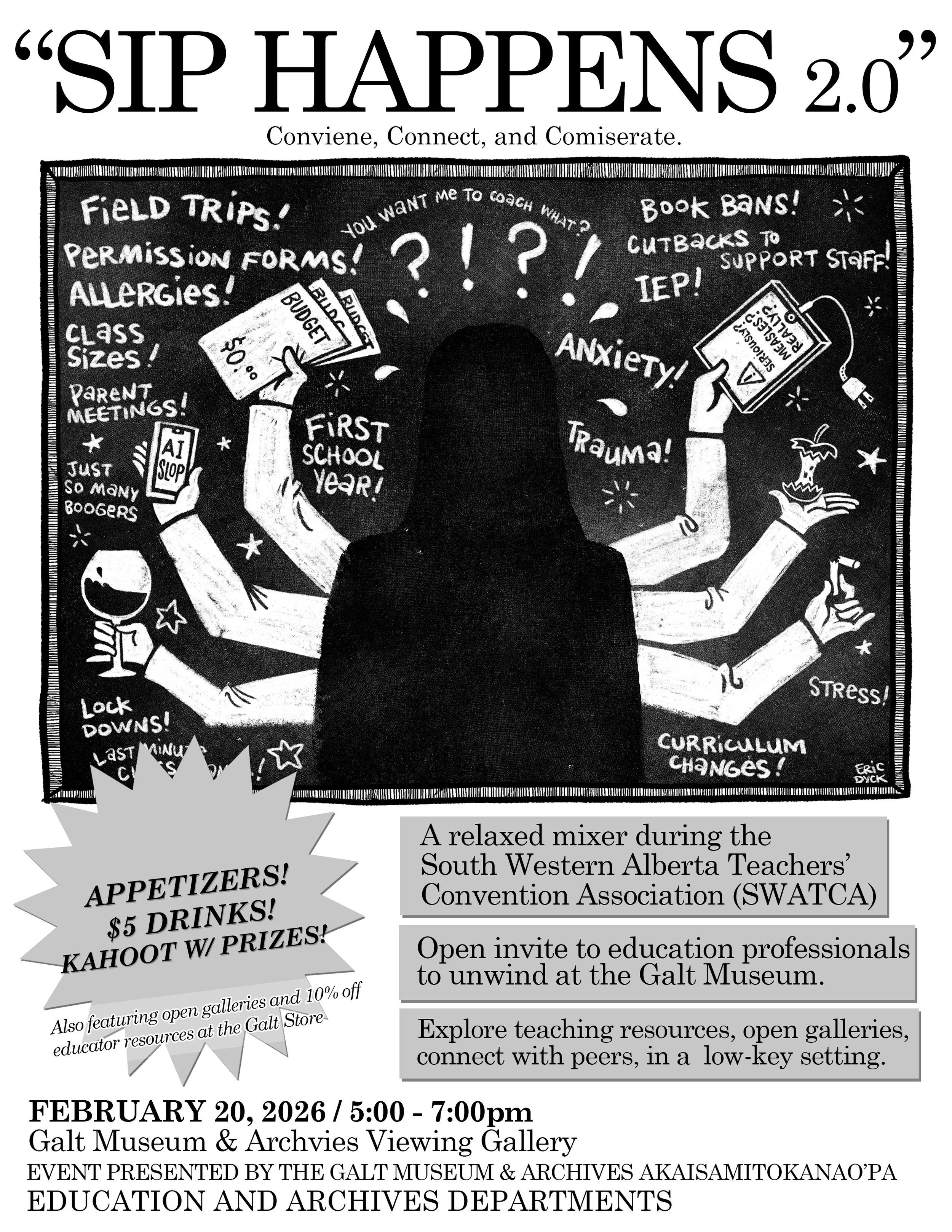
Many have visited the Research tab on the Galt’s website, but educators have a new resource at their fingertips! Educators can now download packs of high-resolution images which follow distinct learning themes. Educators may use these resources as they see fit, free of charge!


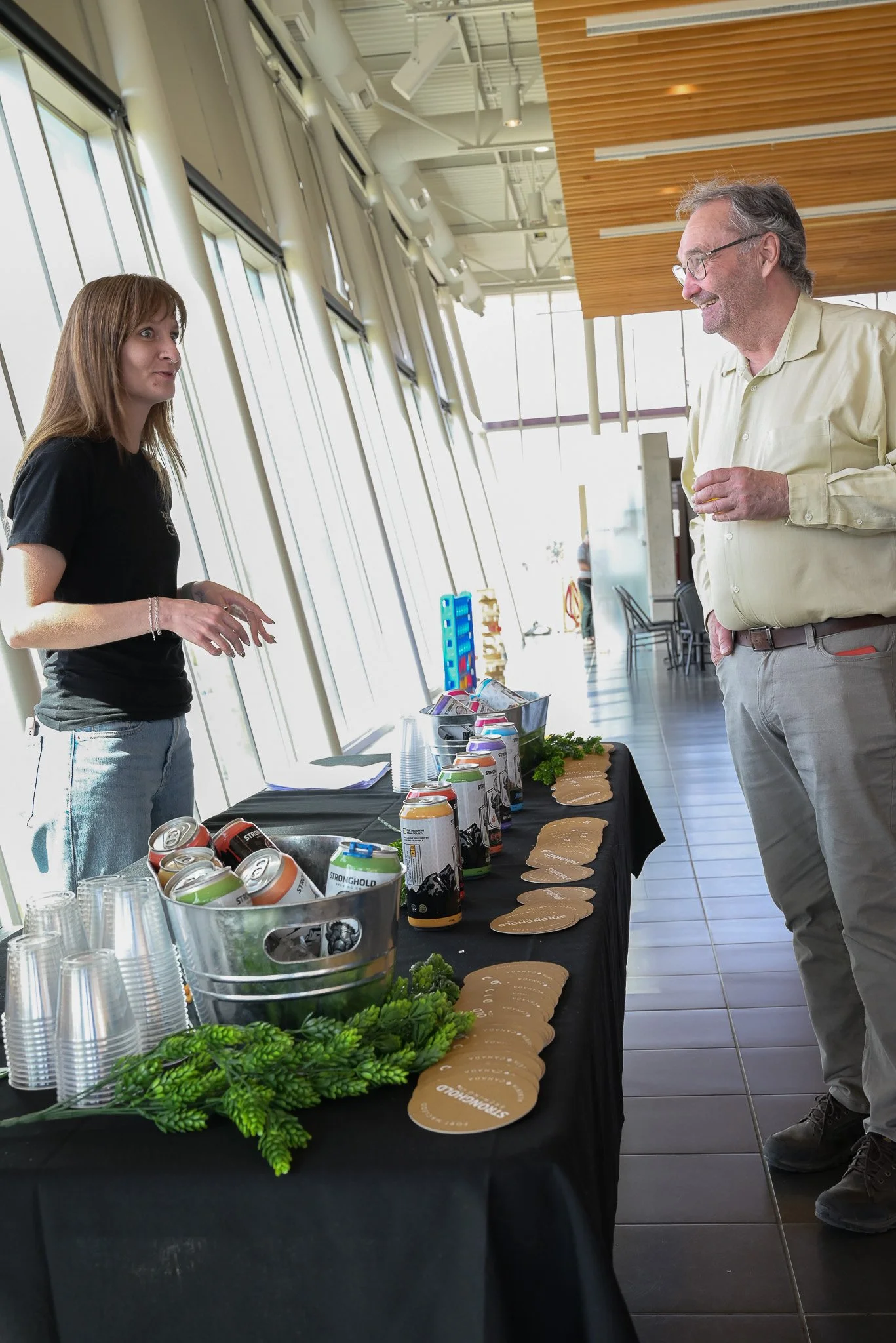
Over a dozen breweries (and a winery!) pouring their best, guests enjoyed a steady flow of tastings, laughter, and sharing beer knowledge.


The Galt Museum & Archives is saddened to hear of the passing of George Mann and offers its condolences to his family and to members of the Playgoers Society of Lethbridge.

In early September, the historic Galt Hospital building received a temporary floral facelift thanks to an initiative led by the Allied Arts Council (AAC). The project, titled AAC Downtown Lens, is part of the events and programming for Lethbridge Arts Days — a month-long celebration of the arts held in conjunction with provincial and national Culture Days.

Like all great ideas,
The Renaissance Faire began as a simple musing among museum staff. It’s no secret that the Galt’s programming and events have been expanding and becoming more refined in recent years. So, the decision to launch another large-scale, fun event - alongside annual favorites like the Lethbridge Independent Film Fest (LIFF) and Bridge and Brews Beerfest felt like a natural next step.

Fort Whoop-Up has had an absolutely amazing summer. The staff worked hard again this year to bring amazing daily experiences and activities to visitors. Some staff even managed to keep up with a few interesting passion-projects rooted in cultural preservation and reconciliation at the Fort.

Starting this fall, the Galt’s Education Department is offering take-home Program Boxes - rooted in the same high-quality educational programming available to the public, now boxed up and available to bolster the curriculum in your classroom. Information, activities, and lesson plans are included in each box for easy self-serving teaching.


Do you love the rich stories of Lethbridge and southern Alberta? Are you crafting a school project? Leveling up your social media? Building a business promo? You can access stunning archival photos in just a few clicks!


The Friends Society of the Sir Alexander Galt Museum & Archives are pleased to present a Whisky Tasting fundraising event on February 7, 2025. Come and join whisky sommelier, Stuart Bartwicki as he imparts his knowledge on selected Whiskies from various regions of Scotland. The event will also feature hot and cold appetizers from Prime Catering to enhance the tasting experience. The event will be held from 7 PM to 9 PM at the Galt Museum & Archives Viewing Gallery.


Lethbridge — The Galt Museum & Archives | Akaisamitohkanao’pa (eternal gathering place) is excited to announce the opening of Nitsitapiisksakoo: Nitsitapii Landscapes Part 3, the last of a trilogy of exhibits focusing on spiritual and culturally significant sites within traditional Blackfoot Territory.

The Galt Museum & Archives is thrilled to offer Walking Wednesday Tours. These engaging tours will run every Wednesday throughout July and August, offering residents and visitors a unique opportunity to explore the rich history and cultural diversity of Lethbridge.

The Galt Museum & Archives and Fort Whoop-Up are delighted to announce the arrival of an adorable new baby donkey born on Thursday, June 20, 2024. The healthy foal is currently thriving under the care of our dedicated team and has quickly become a beloved member of the Fort family. The foal, not yet named, has charmed visitors with his wobbly legs, large expressive eyes, and frequent, adorable naps.

The Galt Museum & Archives and Fort Whoop-Up invite everyone to join us in celebrating National Indigenous Peoples Day on June 21 from 11 am to 5 pm at Fort Whoop-Up. For this year’s event, we have partnered with the Helen Schuler Nature Centre to offer free admission and a variety of engaging activities for all ages.
Terry Fox’s Marathon of Hope which he began in 1980 to raise funds for cancer research is a seminal moment in Canadian history. This exhibit will feature oral history interviews with the Lethbridge citizens who have organized the community runs, explore the familial connections that Terry Fox had in southern Alberta, and will examine how the COVID-19 pandemic affected the 2020 Terry Fox Run in Lethbridge.